
Table of Contents
Overview – Intro to Microbiology
Microbiology is the study of microscopic organisms, including bacteria, viruses, fungi, protozoa, and helminths. This field underpins our understanding of infection, disease transmission, immunity, and antimicrobial therapy. The intro to microbiology explores germ theory, microbial classification, host-pathogen interactions, and the key biological features that define different infectious agents, making it foundational knowledge for all clinical practice.
The Birth of Germ Theory
Competing Theories
- Before modern microbiology, two dominant ideas existed to explain spoilage and disease:
- Spontaneous Generation: Life arises spontaneously from non-living matter.
- Germ Theory: Disease results from invasion by microorganisms (seeds/germs).
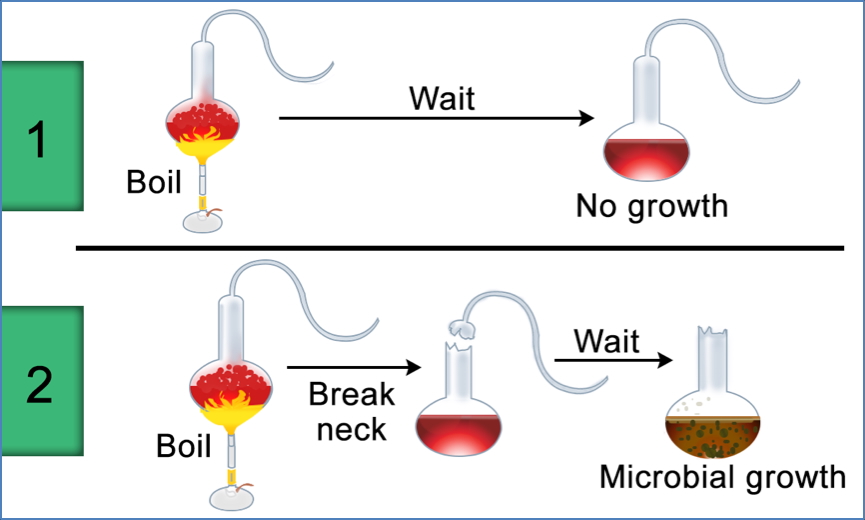
Pasteur’s Swan-Neck Flask Experiment
- Louis Pasteur disproved spontaneous generation.
- Demonstrated that boiled broth in a swan-neck flask remained sterile unless exposed to air directly → proving microbes exist in the environment.
Koch’s Postulates
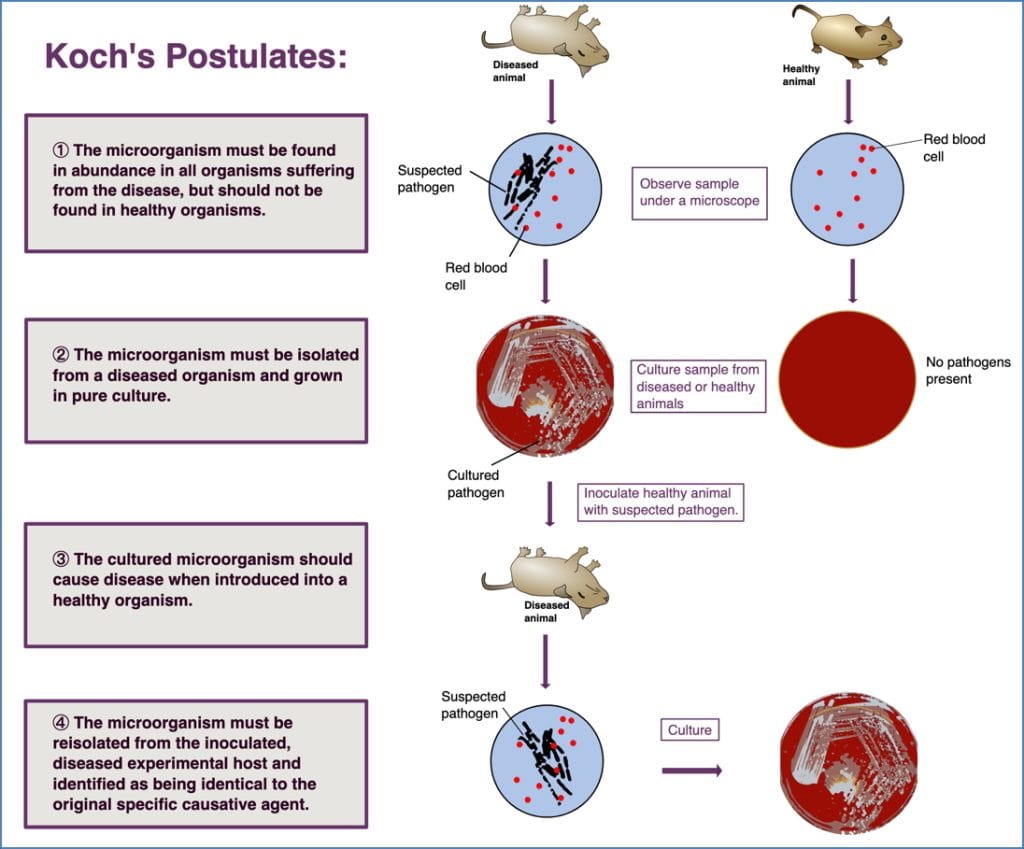
- Robert Koch established criteria linking specific microbes to specific diseases:
- Organism present in all cases of disease.
- Isolated and grown in pure culture.
- Disease reproduced in a healthy host.
- Organism re-isolated from experimentally infected host.
Normal Flora vs Pathogens
Normal Flora (Commensals)
- Live harmlessly on:
- Skin (armpit, perineum, interdigital areas)
- Nose, oropharynx
- GI tract
- Urogenital tract
- Can cause nosocomial infections if they colonise inappropriate sites.
Pathogens
- Microbes capable of causing disease.
- May be opportunistic or primary pathogens.
Pathogenesis: How Microbes Cause Disease
I. Entry
- Through: oral, inhalation, inoculation, skin breaks, sexual contact, or transplacental spread.
II. Colonisation
- Breach protective barriers → adhere to host tissues.
III. Persistence & Immune Evasion
- Overcome defences: mucous, cilia, gastric acid, lysozymes, immune surveillance.
IV. Replication
- Local (e.g. GI tract), systemic (e.g. blood, CSF), or intracellular (e.g. viral/nervous system).
V. Dissemination
- Routes: faecal-oral, aerosols, sexual transmission.
- Depends on:
- Microbial size
- Resistance to environmental conditions
VI. Disease Causation
- Via:
- Toxin production (local/systemic)
- Cellular damage
- Abnormal host cell activity
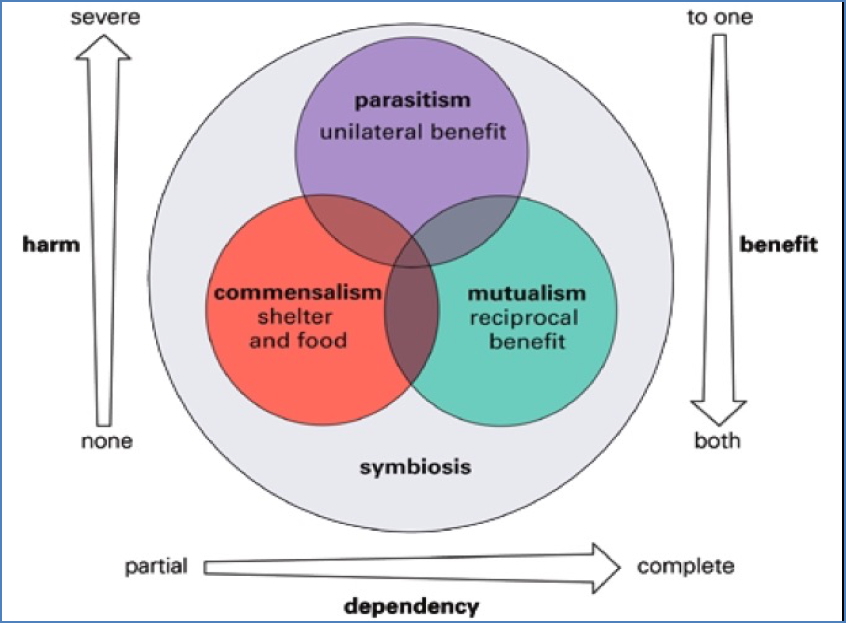
Host-Parasite Interactions
| Interaction | Description | Example |
|---|---|---|
| Commensalism | Colonisation with no harm or benefit | E. coli in colon |
| Mutualism | Both host and microbe benefit | Lactobacillus in vagina |
| Parasitism | Colonisation causes harm/disease | Hookworms, Plasmodium malariae |
Also:
- Colonised, no disease, no illness → e.g. Helicobacter pylori
- Colonised, disease, no illness → e.g. Chlamydia
- Colonised, disease + illness → symptomatic infections
Microbial Classifications
Prokaryotes
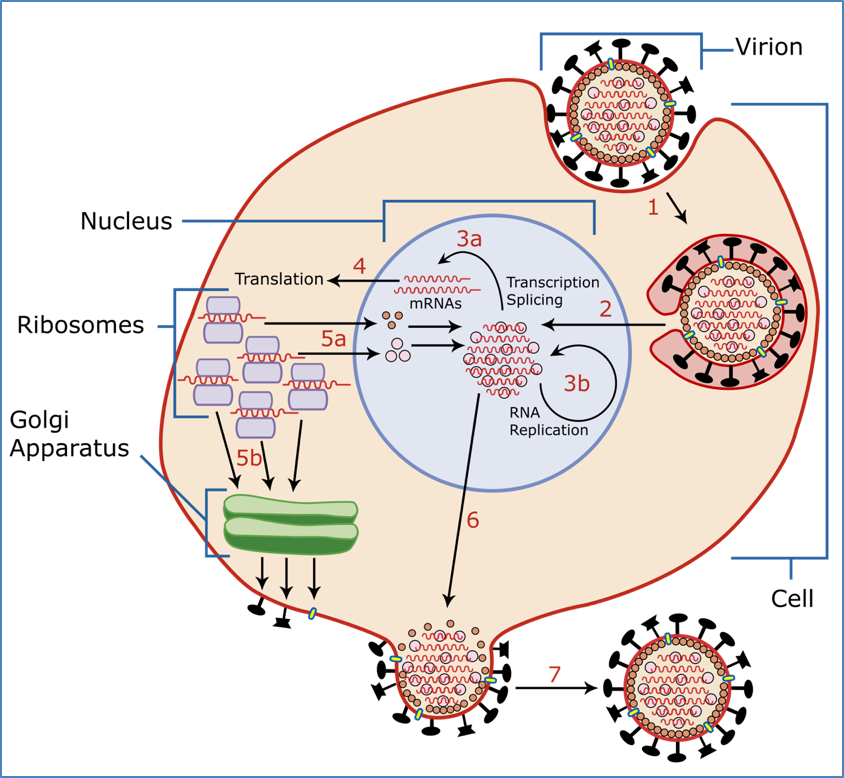
Viruses
- Acellular; only nucleic acid (DNA or RNA) in protein coat
- Completely dependent on host for replication
- Metabolically inert outside host cells
- Spread via respiratory, oral, sexual, or inoculation routes
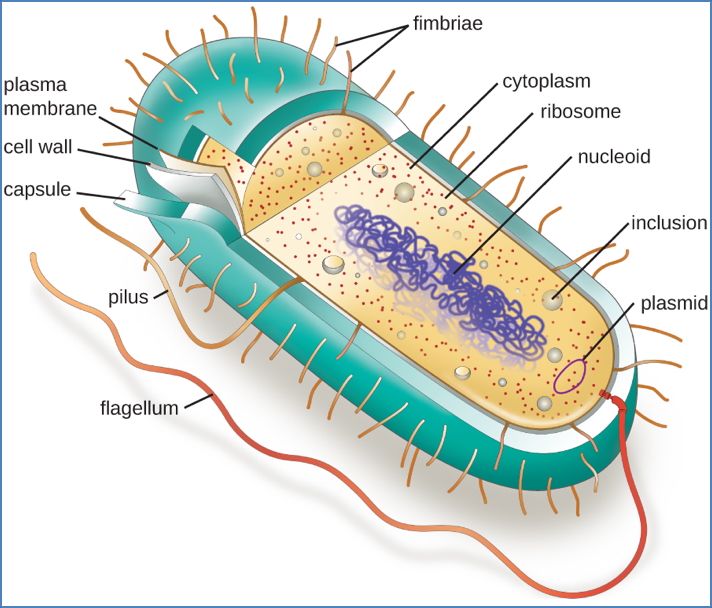
Bacteria
- Single-celled organisms; larger than viruses
- Replicate via binary fission
- Visible with light microscopy
- May be extracellular or intracellular
- Contain DNA, ribosomes; no true nucleus
- Can produce toxins; motile; Gram-positive vs Gram-negative
Eukaryotes
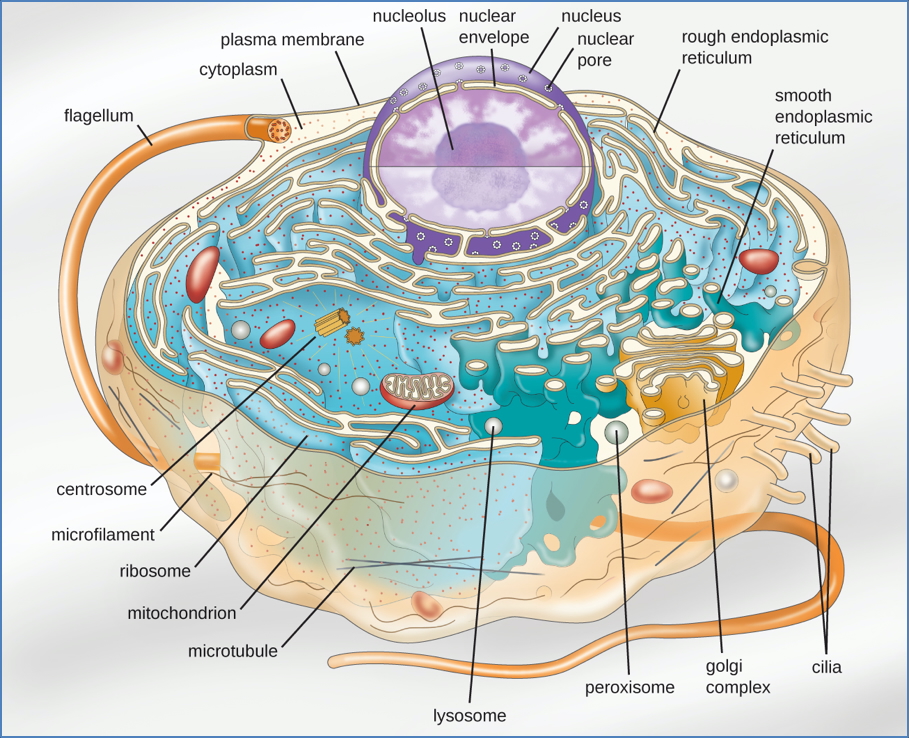
Protozoa
- Single-celled; larger than bacteria
- Live intra- or extracellularly
- Transmitted via vectors or faecal-oral routes
- Common in tropical regions
Helminths
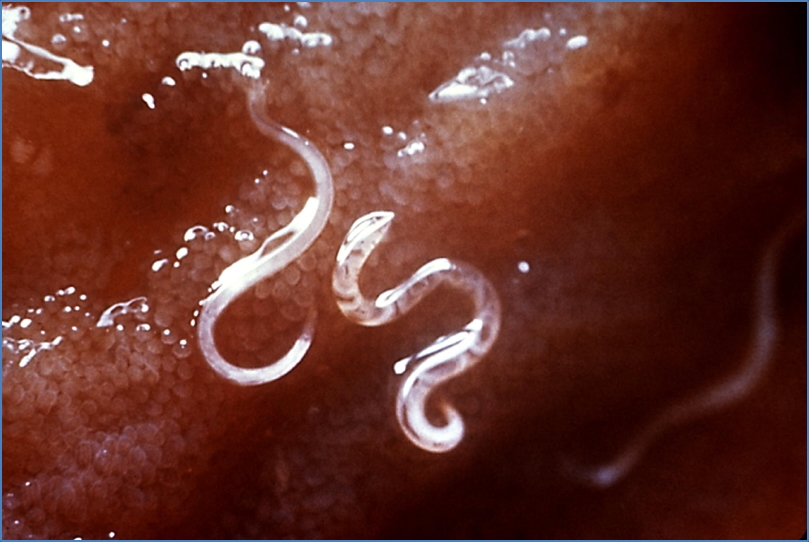
- Multi-cellular parasites, often visible to naked eye
- Complex reproduction (some with sexual dimorphism)
- Too large for immune destruction; cause chronic inflammation
- Rarely fully eradicated from host
Fungi
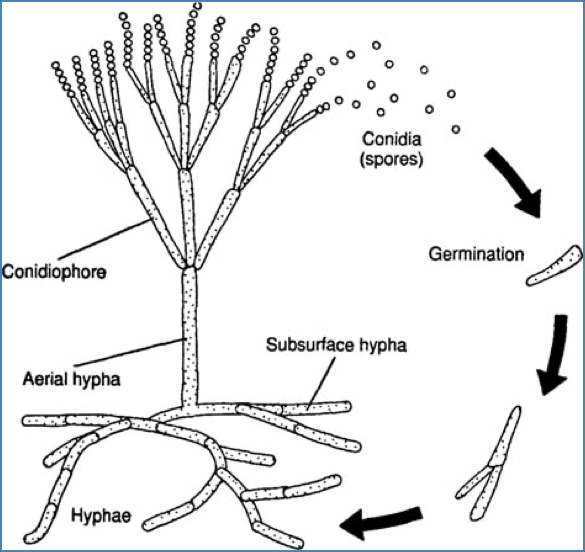
- Thousands of species; <50 are pathogenic
- Exist as yeasts or hyphae; reproduce via asexual spores (conidia)
- Mycoses classified by depth:
- Superficial
- Cutaneous
- Subcutaneous
- Systemic
- Often opportunistic, especially in immunocompromised
Microbial Feature Comparison Table
| Pathogen Type | Visible Via | Cellular? | Genetic Material | Organisation | Outer Surface |
|---|---|---|---|---|---|
| Prions | Electron microscope | No | None – pure protein | No nucleus or cytoplasm | No membrane |
| Viruses | Electron microscope | No | DNA or RNA | Enveloped or non-enveloped | Protein coat |
| Bacteria | Light microscope | Yes | Circular DNA, no nucleus | Peptidoglycan (Gram +) or LPS (Gram -) | Cell wall |
| Protozoa | Light microscope | Yes | Linear chromosomes | Nucleus present | Simple membrane |
| Helminths | Naked eye | Yes | Eukaryotic DNA | Multicellular | Membrane-covered |
Summary – Intro to Microbiology
The intro to microbiology is a cornerstone of medical education, detailing how microbes interact with humans through colonisation, invasion, and immune evasion. Understanding microbial classification, the steps of pathogenesis, and host-pathogen dynamics is vital to diagnosing and managing infectious diseases. For a broader context, see our Microbiology & Public Health Overview page.