
Table of Contents
Overview – Chlamydia
Chlamydia is one of the most common sexually transmitted infections worldwide, caused by Chlamydia trachomatis. It often presents asymptomatically, particularly in women, but may lead to serious reproductive and ocular complications if left untreated. Because of its prevalence and potential long-term sequelae, early diagnosis and treatment are essential components of reproductive healthcare and public health screening programs.
Definition
Chlamydia is a sexually transmitted infection caused by the obligate intracellular bacterium Chlamydia trachomatis. It primarily affects the urogenital tract but can also involve the eyes and rectum.
Aetiology
- Caused by Chlamydia trachomatis
- Transmitted via:
- Vaginal, anal, and oral sex
- Vertical transmission (mother to neonate)
Morphology / Pathophysiology
- C. trachomatis is an obligate intracellular bacterium
- Replicates via reticulate bodies within host cells
- Shed upon host cell lysis → triggers inflammation
- May remain asymptomatic for prolonged periods while causing internal damage
Clinical Features
In Males
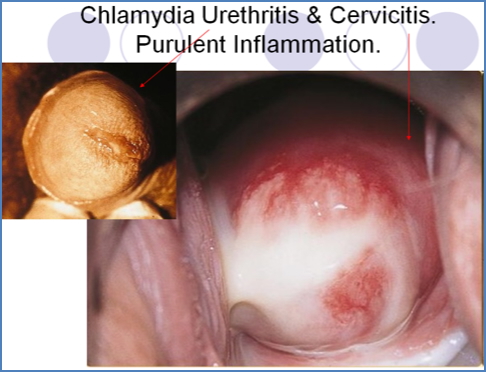
- Most common cause of non-gonococcal urethritis
- Symptoms:
- Clear, watery urethral discharge
- Dysuria
- May progress to:
- Epididymitis
- Orchitis
- Prostatitis
- Proctitis (especially in MSM)
In Females
- Often asymptomatic
- When symptomatic, presents with:
- Urethritis
- Cervicitis
- May progress to salpingitis or pelvic inflammatory disease (PID)
In Neonates
- Vertical transmission can result in:
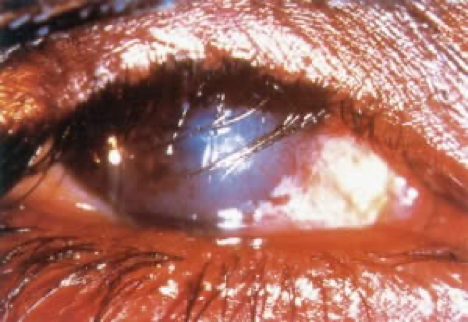
- Neonatal conjunctivitis
- Chlamydial pneumonia
Investigations
- Nucleic Acid Amplification Testing (NAAT) via PCR:
- First-catch urine (any gender)
- Endocervical or high vaginal swab (women)
- Urethral swab (men)
- Throat/rectal swabs if applicable
- Microscopy:
- Gram stain may be non-specific
- Immunofluorescence may show intracytoplasmic inclusion bodies
- Screening:
- All sexually active females <25 years should be screened using non-invasive PCR
Complications
- Trachoma: Chronic chlamydial conjunctivitis, leading to blindness
- Lymphogranuloma venereum:
- Invasive infection of lymphatics
- Presents with painful groin abscesses or buboes
- May ulcerate
- Pelvic Inflammatory Disease (PID):
- Can result in infertility, chronic pelvic pain, and ectopic pregnancy
- Reiter’s Syndrome (Reactive arthritis):
- Triad: arthritis + conjunctivitis + urethritis
Management
- First-line therapy:
- Azithromycin 1g single oral dose
- Or Doxycycline 100mg BD for 10 days
- Community resistance patterns should guide treatment in some regions
- Sexual partners should also be treated
- Abstain from intercourse until completion of treatment and symptom resolution
Summary – Chlamydia
Chlamydia is a prevalent, often silent sexually transmitted infection caused by Chlamydia trachomatis, with potential for serious reproductive and ocular complications. It is the most common cause of urethritis in males and a frequent trigger of pelvic inflammatory disease in females. For more on related conditions, visit our Reproductive Health Overview page.