
Table of Contents
Overview – Pathogens & Immunity
Pathogens & immunity refers to the complex interplay between invading microorganisms and the host’s immune defences. Understanding how pathogens cause disease, evade immune responses, and how the immune system counters these attacks is essential in clinical medicine, particularly in managing infections and immunocompromised states.
General Terminology
- Normal Flora (Commensals): Microbes naturally found in or on the body without causing disease
- Pathogen: Microorganism capable of causing disease
- Pathogenicity: The ability of an organism to cause disease
- Virulence: Degree of pathogenicity
- Opportunistic Pathogen: Causes disease when host defences are compromised
- Infection: Invasion of sterile body sites by microorganisms
- Disease development depends on:
- Route of entry
- Inoculum size
- Host immune status
How Pathogens Cause Tissue Damage
- Exotoxins:
- Secreted toxins that act on host cells (e.g. superantigens → toxic shock)
- Endotoxins:
- Structural components (e.g. lipopolysaccharide in Gram-negative bacteria)
- → Triggers cytokine storm via phagocyte activation → septic shock
- Direct Cytopathic Effects:
- Pathogens directly damage host cells
- Immune Complex Deposition:
- Antigen-antibody complexes deposit in tissues (e.g. glomerulonephritis)
- Autoimmunity by Molecular Mimicry:
- Host-directed antibodies due to cross-reactive microbial antigens (e.g. M protein in Streptococcus)
- Cell-mediated Damage:
- Cytotoxic T-cells and neutrophil degranulation can harm host tissues

The Process of Infection
- Barrier breach of commensal-colonised surfaces
- Local infection occurs
- Innate + afferent adaptive response
- Antigen presentation → T & B cell activation
- Efferent adaptive response
- Effector cells clear infection

Effector Mechanisms Based on Pathogen Location
Extracellular Pathogens
- Vulnerable to:
- Complement system
- Antibodies
- Phagocytic cells
- Immune goal: Direct killing or opsonisation for phagocytosis
Intracellular Pathogens
- Handled by:
- Natural killer cells (innate)
- Cytotoxic T-cells (adaptive)
- Activated macrophages for intracellular killing

Immune Evasion Mechanisms
1. Antigenic Variation
- Serotypes: Different antigenic profiles (e.g. Streptococcus pneumoniae)
- Antigenic drift (RNA viruses): Minor mutations (e.g. influenza variants every 2–3 years)
- Antigenic shift (RNA viruses): Gene exchange across species (e.g. pandemic influenza strains)

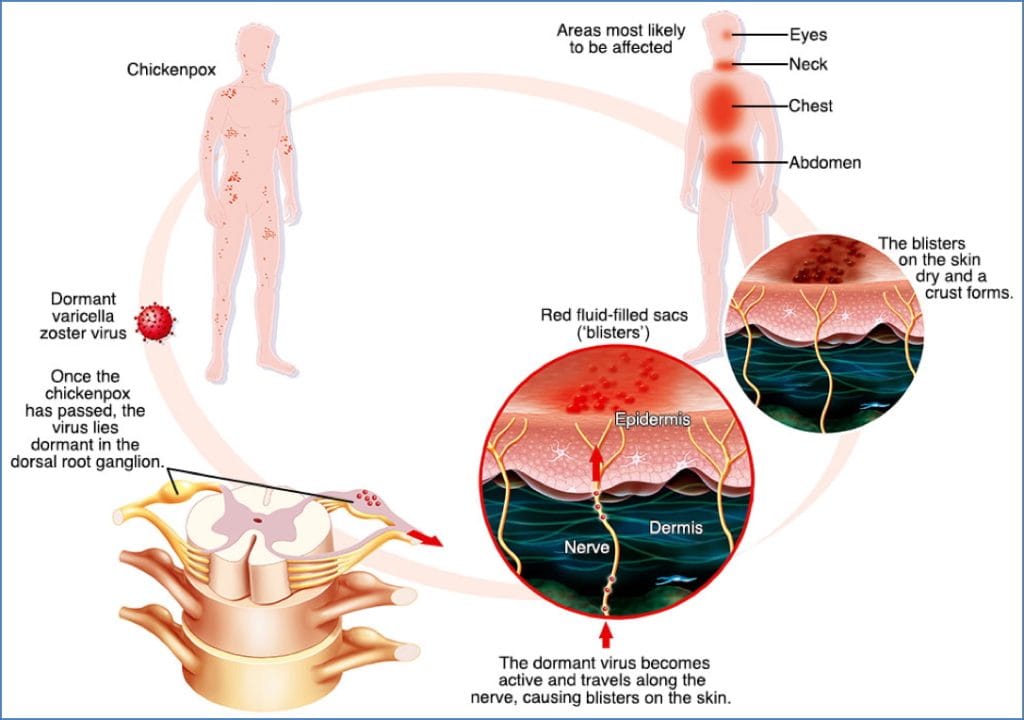
2. Latency
- Viruses halt replication to avoid immune detection
- E.g. Herpes simplex virus persists in neurons → reactivates under stress/immunosuppression
3. Resistance to Immune Effector Mechanisms
- Block phagolysosome fusion:
- E.g. Mycobacterium tuberculosis, Toxoplasma gondii
- Neutralise oxidative bursts:
- E.g. Pseudomallei, helminths
- Escape into cytoplasm:
- E.g. Listeria
- Self-generated vesicles:
- E.g. Toxoplasma evades immune recognition
- Molecular mimicry:
- E.g. Treponema pallidum (syphilis), schistosomes mimic host proteins
- Complement resistance:
- E.g. Lyme disease via Factor H mimicry
- Protease secretion:
- E.g. schistosomes cleave antibodies and inactivate macrophages
4. Immunosuppression or Skewed Responses
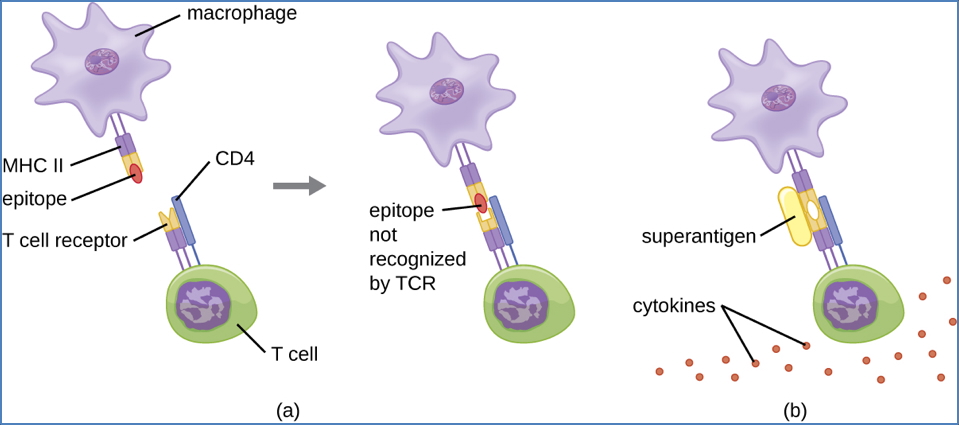
- Superantigens (bacterial/viral):
- Non-specific T-cell activation → cytokine storm → T-cell apoptosis
- Viral gene capture:
- Virokines and decoy receptors inhibit cytokines and MHC-I presentation
- E.g. CMV UL18, EBV IL-10, HSV downregulates MHC-I
- Anthrax lethal toxin:
- Suppresses immunity via MAPK inhibition
- Helminths:
- Secrete immunosuppressants or promote Th1-skewing (↓IgE)
- May upregulate IL-10 → Treg responses
5. Hiding in Immune-Privileged Sites
- Locations:
- CNS, eyes, testis, uterus, vaginal/urethral tracts
- RBCs (e.g. Plasmodium falciparum avoids CD8 detection and antibodies)
- GI lumen
- Malaria: Makes RBCs sticky → adhere to endothelium → vascular occlusion
6. Exploiting the Immune System
- E.g. Helminth eggs use inflammation-induced CAMs to exit blood vessels
- Secrete tissue-degrading enzymes (collagenase, elastase)

Summary – Pathogens & Immunity
Pathogens & immunity explores how microbes cause disease, how the immune system defends the body, and how pathogens evolve sophisticated evasion strategies. From antigenic shift in viruses to latency and immune suppression by parasites, understanding these dynamics is crucial in infectious disease management. For a broader context, see our Immune & Rheumatology Overview page.