
Table of Contents
Overview
Syphilis is a chronic, multi-stage sexually transmitted infection caused by the spirochete Treponema pallidum. If left untreated, it progresses through primary, secondary, latent, and tertiary stages. It may also cause serious congenital infections when transmitted vertically. Early diagnosis and treatment with penicillin are highly effective in halting disease progression and preventing irreversible complications.
Definition
Syphilis is a sexually transmitted infection (STI) caused by the bacterium Treponema pallidum. It progresses in stages and can lead to systemic and neurological complications, including congenital infection if transmitted during pregnancy.
Aetiology
- Causative agent: Treponema pallidum (a spirochete bacterium)
Transmission
- Sexual contact (vaginal, anal, oral)
- Blood-borne transmission (e.g. intravenous drug use)
- Vertical transmission: Transplacental, especially during the third trimester
- Untreated maternal syphilis = near 100% fetal transmission
Morphology / Pathophysiology
- Four stages of infection:
- Primary – Localised ulcer (chancre)
- Secondary – Disseminated systemic illness
- Latent – Asymptomatic phase
- Tertiary – Delayed systemic complications: neurological and cardiovascular
Clinical Features
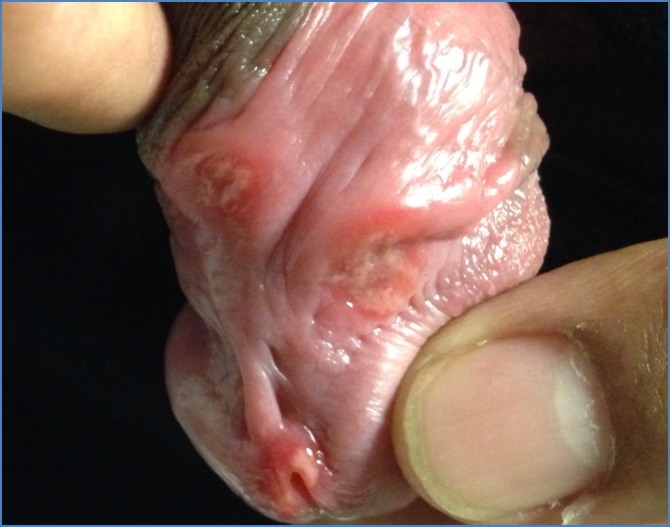
Primary Syphilis
- Incubation: 10 days to 10 weeks post-exposure
- Features:
- Painless chancre (single ulcer, commonly on genitals)
- Regional lymphadenopathy
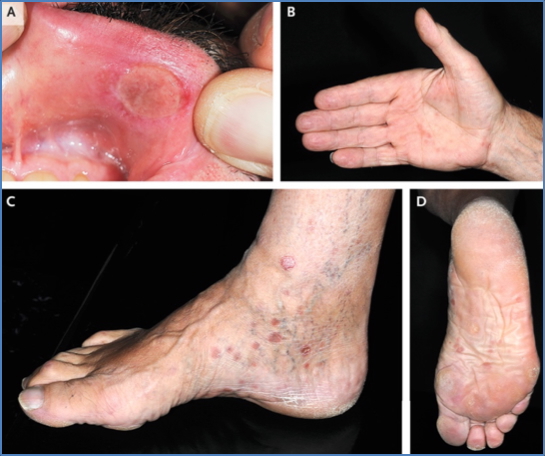
Secondary Syphilis
- Occurs 4–8 weeks after primary chancre
- Most contagious stage
- Features:
- Symmetrical rash (especially palms and soles)
- Generalised lymphadenopathy
- Flu-like illness
- Condylomata lata (wart-like perianal/genital lesions)
- Hepatosplenomegaly
Latent Syphilis
- Asymptomatic but serologically positive
- May persist for months to a lifetime
- ~25% progress to tertiary stage
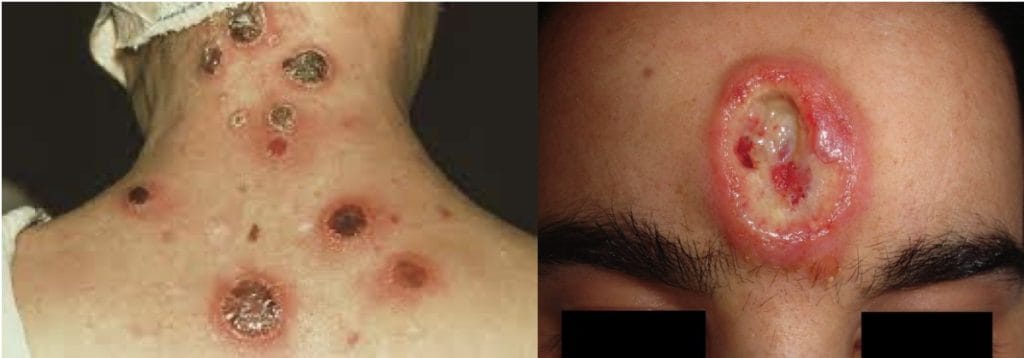
Tertiary Syphilis
- Occurs >1 year post-infection
- Features:
- Gummas: granulomatous lesions of skin, bone, or liver
- Neurosyphilis: meningitis, tabes dorsalis, paresis, dementia
- Cardiovascular syphilis: aortitis, aneurysm formation
Syphilis in Pregnancy
- Transmission: transplacental in 3rd trimester
- Outcomes: miscarriage, premature labour, stillbirth
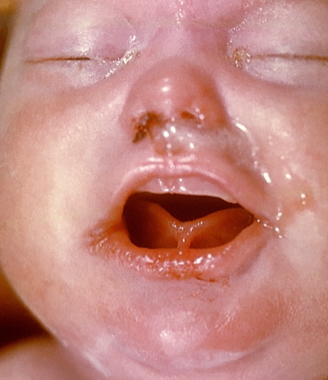
Early Congenital Syphilis
- Snuffles (profuse nasal discharge)
- Palmar and plantar skin lesions
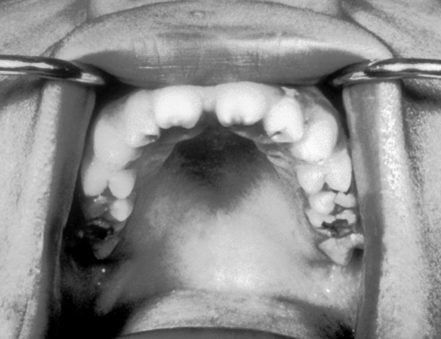
Late Congenital Syphilis
- Frontal bossing
- Hutchinson’s teeth
- High-arched palate
- Short maxilla
- Sensorineural deafness
Investigations
Direct Detection
- Dark-field microscopy: for visualising spirochetes from chancre
- Fluorescent antibody staining: for T. pallidum
Serological Testing
- Treponemal tests (specific):
- TPHA: T. pallidum haemagglutination assay
- FTA-ABS: fluorescent treponemal antibody absorption
- Non-treponemal tests (non-specific, for screening and monitoring):
- VDRL: Venereal Disease Research Laboratory test
- RPR: Rapid plasma reagin
- 2-titre rise = infection
- 2-titre fall = effective treatment
Management
Early Cases
- Benzathine penicillin G IM single dose
- If penicillin allergy: azithromycin or doxycycline
Late or Latent Cases
- Benzathine penicillin G IM weekly for 3 weeks
- Painful injection but highly effective
Treatment Failure
- Defined as failure to achieve a 4-fold titre drop by 6 months
- More common in neurosyphilis and late cases
Complications
- Neurosyphilis: meningitis, dementia, ataxia, personality change
- Cardiovascular syphilis: aortic aneurysm
- Congenital syphilis:
- 25% miscarriage
- 25% neonatal death
- 50% with congenital deformities
Prevention
- Early detection and treatment prevent progression and transmission
- Reduces risk of HIV transmission
- Contact tracing and partner notification essential
Summary
Syphilis is a multi-stage STI caused by Treponema pallidum, progressing through primary, secondary, latent, and tertiary stages. It may lead to severe neurological, cardiovascular, and congenital complications if untreated. Diagnosis relies on clinical suspicion and serological testing, with penicillin remaining the mainstay of treatment. For a broader context, see our Reproductive Health Overview page.