
Table of Contents
Overview – Lichen Simplex Chronicus
Lichen simplex chronicus (LSC) is a chronic, intensely itchy dermatitis that results from a self-perpetuating itch–scratch cycle. The condition often arises from underlying dermatoses like eczema or psoriasis and is further sustained by habitual scratching or rubbing. This results in localised skin thickening (lichenification), often seen on accessible areas of the body. Early recognition of lichen simplex chronicus can help prevent chronic discomfort and skin damage.
Aetiology
- Caused by repeated scratching or rubbing in response to chronic localised itch
- Underlying causes of primary itch include:
- Atopic eczema
- Contact dermatitis
- Stasis (venous) eczema
- Psoriasis
- Lichen planus
- Fungal infections (e.g. tinea)
Epidemiology
- Affects both males and females
- Rare in children
- May be associated with anxiety and obsessive-compulsive behaviours
Pathophysiology
- Chronic mechanical irritation from scratching leads to:
- Hyperkeratosis
- Epidermal hyperplasia
- Chronic inflammation
- This results in thickened, leathery plaques that further itch, perpetuating the cycle
Clinical Features
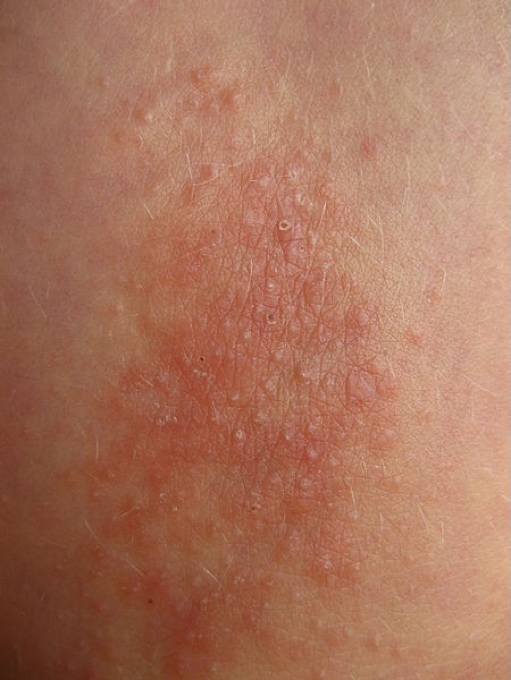
- Thickened (lichenified) plaques of chronic dermatitis
- May be solitary or multiple
- Common locations:
- Nape of the neck
- Ankles
- Genitals
- Scalp
- Lesions are:
- Dry, scaly
- With leathery texture and exaggerated skin markings
- Often with visible scratch marks

Management
Topical Therapies
- Potent topical corticosteroids for 4–6 weeks
- Coal tar preparations (anti-pruritic and anti-inflammatory)
- Emollients to maintain skin barrier and reduce itch
Systemic Therapies
- Oral antihistamines to reduce nocturnal itching
- Consider antidepressants (e.g. SSRIs or tricyclics) for patients with underlying anxiety or psychosomatic contributors
General Measures
- Avoid scratching: use physical barriers if needed
- Behavioural modification may be required in recurrent cases
Summary – Lichen Simplex Chronicus
Lichen simplex chronicus is a chronic skin disorder driven by repetitive scratching, often in response to pre-existing dermatoses or psychosomatic factors. It presents as thickened, leathery plaques that may be intensely itchy. Management focuses on breaking the itch–scratch cycle with topical steroids, antihistamines, and psychological support where needed. For a broader context, see our Skin & Dermatology Overview page.