
Table of Contents
Overview – Cellular Adaptations
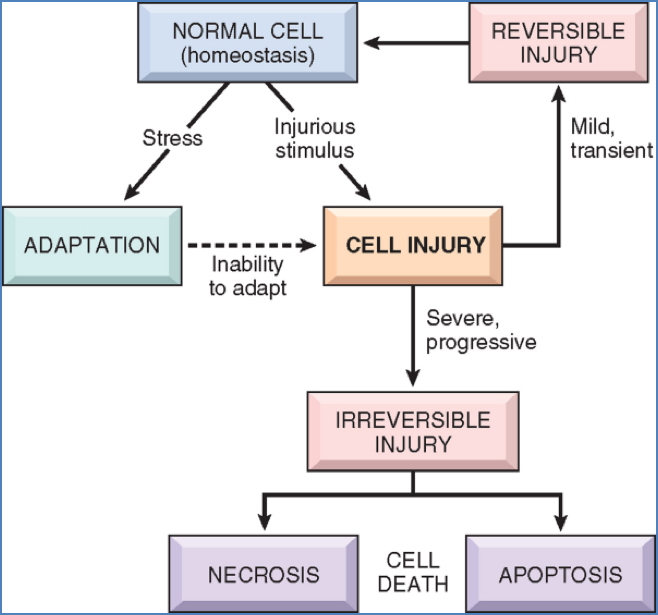
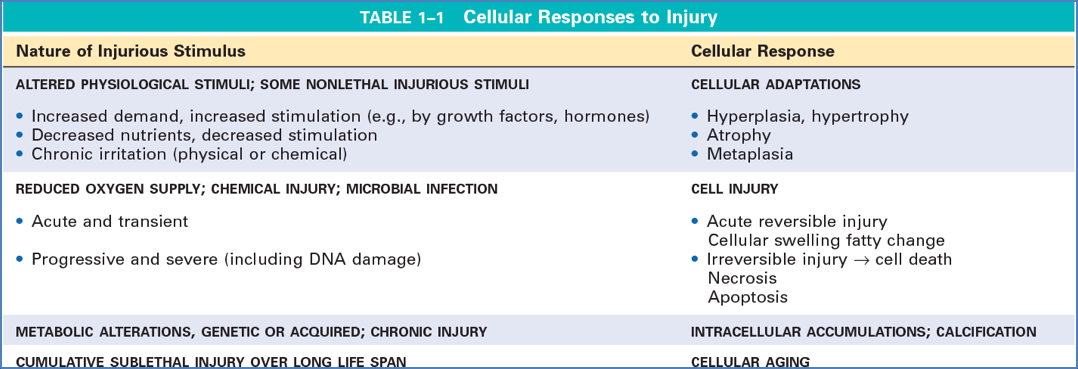
Cellular adaptations are changes in size, number, structure, or function that cells undergo in response to increased physiological stress or pathological stimuli. These mechanisms allow cells to survive and maintain function in changing environments. Key types include hypertrophy, hyperplasia, atrophy, and metaplasia. Understanding these adaptation responses is foundational to clinical pathology and helps distinguish reversible changes from disease processes such as cancer or irreversible injury.
Definition
Cellular adaptations are reversible structural and functional changes that allow cells to respond to environmental stress and increased demands. They include:
- Hypertrophy – increase in cell size
- Hyperplasia – increase in cell number
- Atrophy – decrease in cell size and number
- Metaplasia – change in cell type
Hypertrophy (↑ Cell Size)
- Involves an increase in the size of cells → leads to enlarged organs
- Occurs in cells unable to divide (e.g. cardiac or skeletal muscle)
- No new cells are formed
Causes
- Most commonly due to increased workload
- Can be physiological or pathological
Examples
- Physiological:
- Uterine myometrium enlargement during pregnancy
- Skeletal or cardiac muscle growth from exercise
- Pathological:
- Left ventricular hypertrophy due to chronic hypertension or heart failure
Mechanism
- Triggered by mechanical stress and growth signals
- Leads to increased synthesis of cellular proteins
Hyperplasia (↑ Cell Number)
- Increase in cell number in tissues with dividing cells
- Shares stimuli with hypertrophy, but only occurs if cells can divide
Physiological Hyperplasia
- Hormonal:
- Mammary gland enlargement during pregnancy
- Compensatory:
- Liver regeneration after partial hepatectomy
Pathological Hyperplasia
- Caused by excess hormones or growth factors
- Regresses when the stimulus is removed
- Differentiated from cancer by:
- Lack of genetic mutations
- Controlled reversibility
Examples
- Endometrial hyperplasia (oestrogen excess)
- Benign prostatic hyperplasia (androgen-induced)
- Skin warts from HPV infection
Mechanism
- Driven by growth factors stimulating mature cells and sometimes stem cells
Atrophy (↓ Cell Size & Number)
- Reduction in both cell size and cell number
- Can be physiological or pathological
Causes
- Decreased workload (e.g. limb immobilisation)
- Loss of innervation
- Reduced blood supply
- Endocrine withdrawal (e.g. postmenopausal ovaries)
- Poor nutrition
- Tissue compression
Examples
- Uterine atrophy post-pregnancy
- Brain atrophy in chronic ischaemia
- Muscle wasting in denervation
Mechanism
- ↓ Protein synthesis + ↑ Protein degradation
- Cells may undergo autophagy (self-digestion for survival)
Metaplasia (Cell Type Change)
- Reversible replacement of one mature cell type with another
- A protective adaptation in response to chronic irritation or stress
Pathological Examples
- Barrett’s Oesophagus:
- Squamous epithelium → columnar epithelium in response to acid reflux
- Smoker’s airways:
- Columnar → squamous epithelium (loss of mucociliary function)
- Connective Tissue Metaplasia:
- Abnormal bone/cartilage formation in muscle (e.g. myositis ossificans)
Mechanism
- Reprogramming of stem cells in response to environmental signals
- Involves cytokines, growth factors, and extracellular matrix interactions

Summary – Cellular Adaptations
Cellular adaptations like hypertrophy, hyperplasia, atrophy, and metaplasia enable cells to cope with physiological demands and pathological stress. These changes are often reversible and serve as warning signs of potential progression to disease if the stimulus persists. For more foundational topics, visit our Cell Biology & Biochemistry Overview page.