
Table of Contents
Overview – Innate Immune System
The innate immune system is the body’s first line of defence, offering immediate, non-specific protection against invading pathogens. Unlike the adaptive immune response, it does not require prior exposure to mount a response and is present from birth. It includes both surface barriers (like skin and mucosa) and internal defences such as phagocytes, natural killer cells, and antimicrobial proteins. A solid grasp of this system is critical for understanding inflammation, infection control, and immune regulation in clinical practice.
Definition
- A non-specific, rapid-response immune system that acts immediately upon infection
- Present from birth and always ready to respond
- Functions to:
- Prevent pathogen entry (via barriers)
- Contain and destroy pathogens that breach barriers
- Limit the need for adaptive immune activation
First Line of Defence – Surface Barriers
Skin
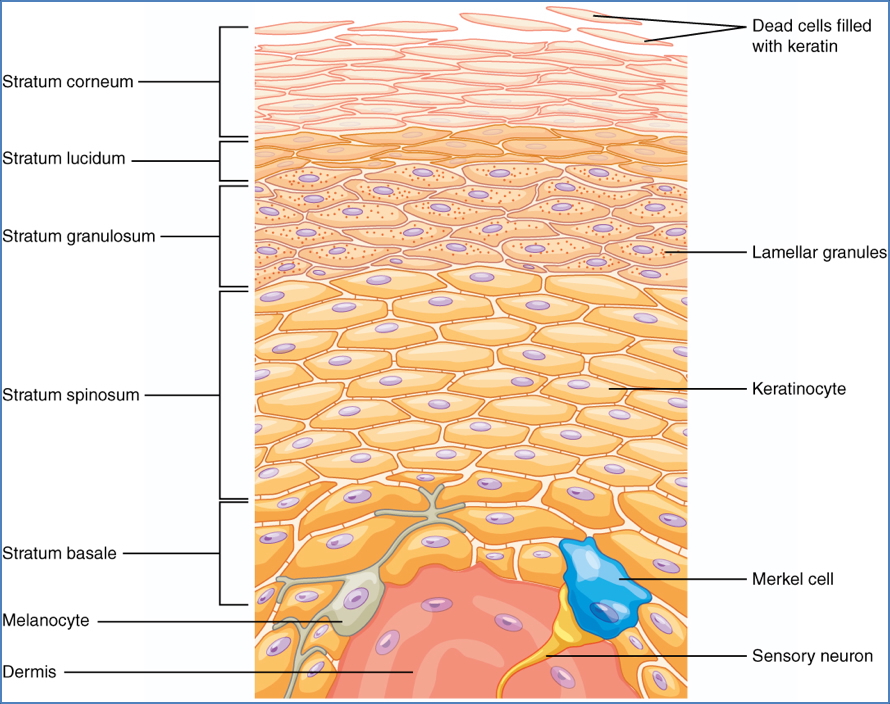
- Stratified, heavily keratinised epithelium
- Acts as a physical, waterproof barrier
- Produces antimicrobial secretions (e.g. sweat, sebum)
Mucous Membranes
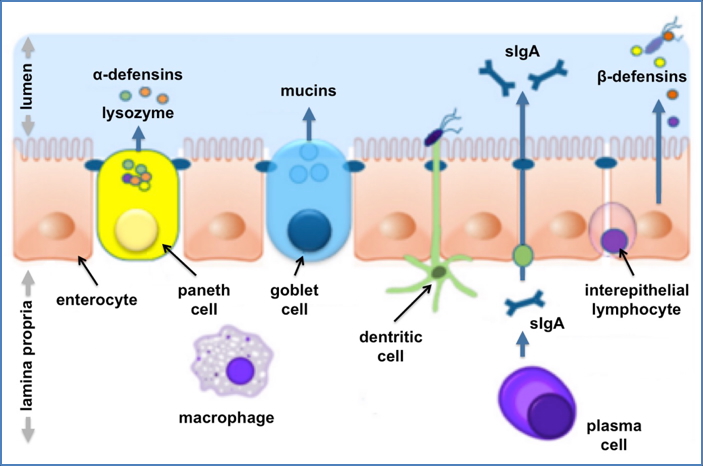
- Line respiratory, gastrointestinal, and genitourinary tracts
- Mechanisms:
- Lysozyme in tears and saliva → breaks down bacterial cell walls
- Sticky mucus traps microbes
- Cilia move trapped microbes out of airways
- Acidic pH in stomach, skin, and vagina → inhibits microbial growth
Second Line of Defence – Internal Defences
Macrophages
- Derived from bone marrow precursors
- Roles:
- Phagocytose pathogens (with or without antibody opsonisation)
- Present antigens to helper T cells
- Secrete cytokines to promote inflammation and acute phase response
- Clear dead cells and debris

Granulocytes
- Neutrophils:
- Most abundant granulocyte (40–75% of WBCs)
- Phagocytic, short-lived (~5 days)
- Release toxic chemicals to kill invaders (kamikaze function)
- Become pus after death
- Eosinophils:
- Stain red with eosin
- Fight parasites and fungi via toxic granule release
- Involved in antigen presentation and tumour cell killing
- Basophils:
- Least abundant granulocyte
- Non-phagocytic
- Release histamine, serotonin, and prostaglandins
- Mediate allergic and hypersensitivity reactions

Natural Killer (NK) Cells
- Large granular lymphoid cells
- Target virus-infected and cancerous cells lacking self MHC-I
- Kill via:
- Apoptosis induction
- Inflammatory cytokine secretion
- Active in blood and lymph

Fever
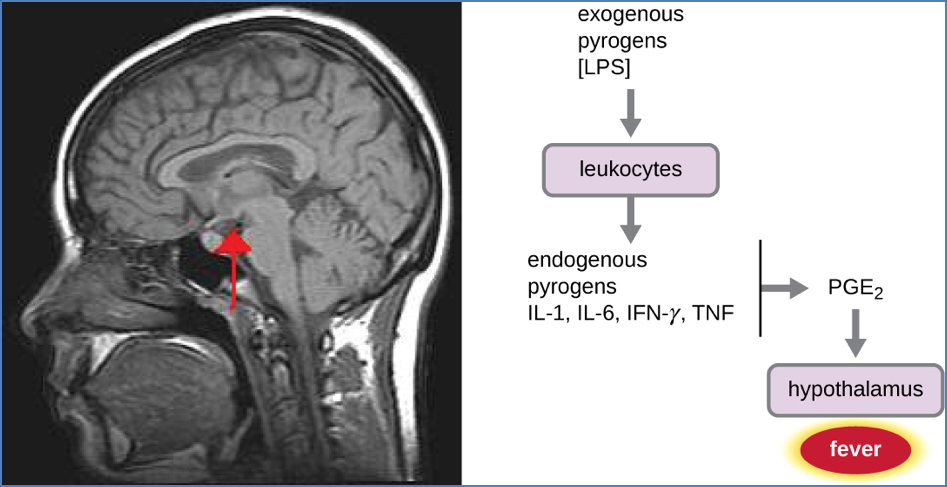
- Pyrogens (e.g. IL-1, IL-6, TNF-α) reset the hypothalamic thermostat
- Benefits:
- Inhibits pathogen growth
- Speeds tissue repair
- Enhances immune function
Antimicrobial Proteins
Interferons (IFNs)
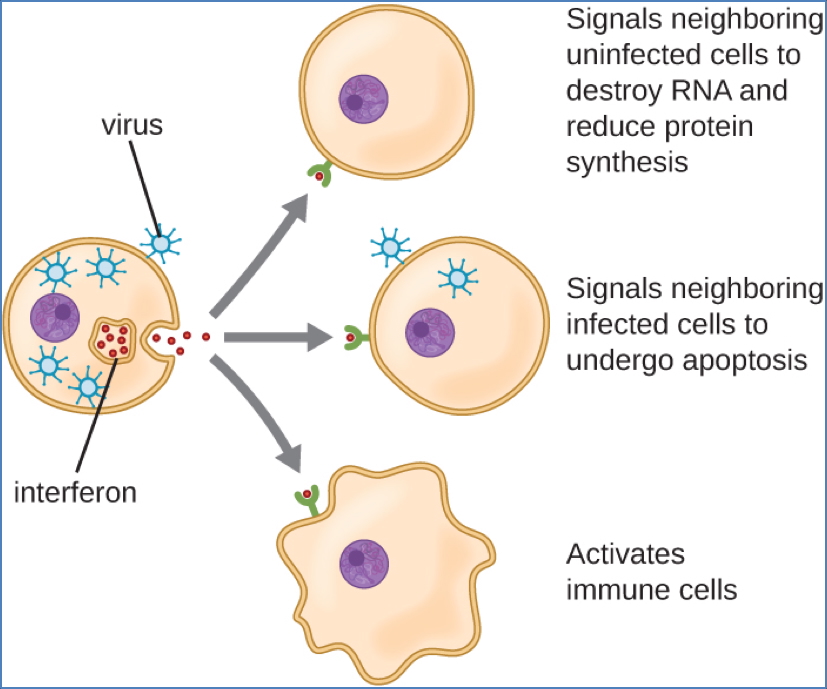
- Secreted by virus-infected cells
- Functions:
- Inhibit viral replication in neighbouring cells
- Degrade viral RNA and block protein synthesis
- Attract NK cells and macrophages
Complement System
- 30 liver-derived zymogens activated via:
- Classical pathway (Ag–Ab complex)
- Alternative pathway
- Lectin pathway (mannose-binding lectin)
- Major outcomes:
- Opsonisation (via C3b)
- Lysis of pathogens via membrane attack complex (MAC)
- Chemotaxis (via C5a)
- Also enhances adaptive immunity by:
- Facilitating antigen uptake by antigen-presenting cells
- Stimulating B cells via complement receptors
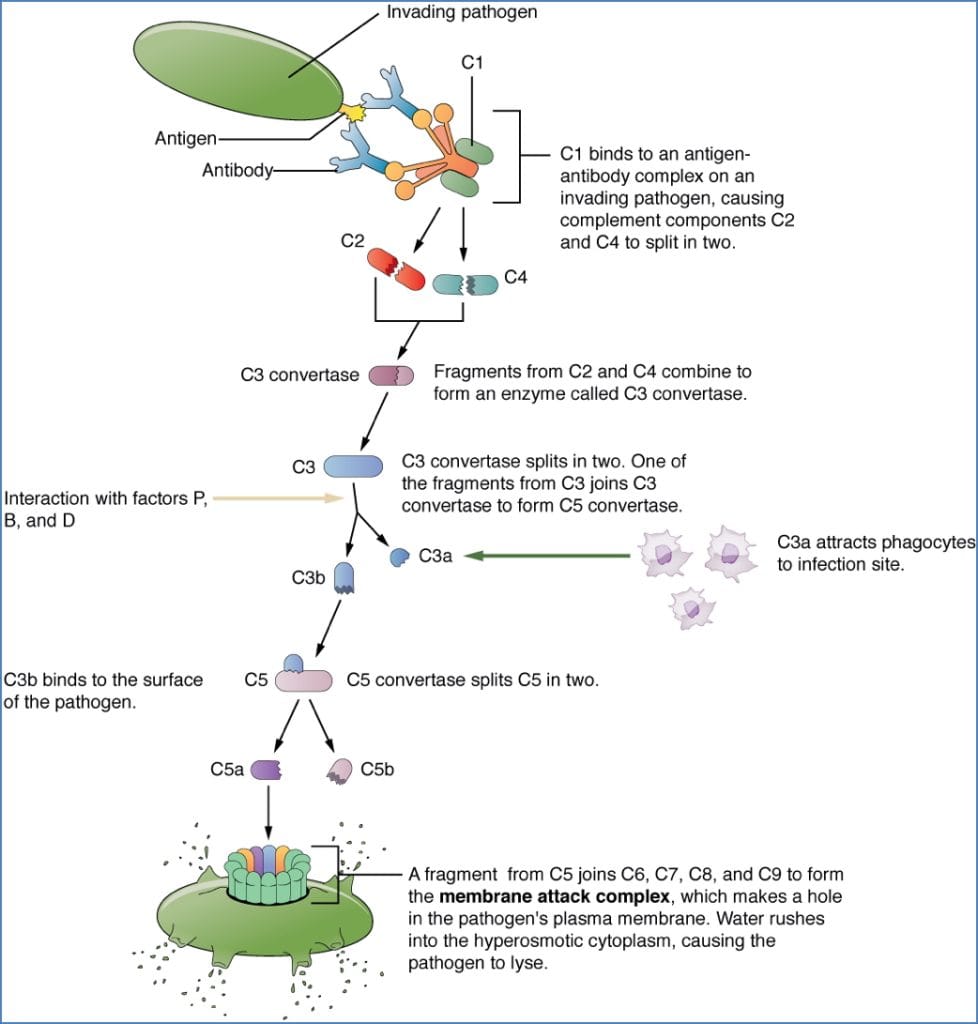
Complement Cascade and Function The classical pathway, used during adaptive immune responses, occurs when C1 reacts with antibodies that have bound an antigen.
Inflammation
- Triggered by trauma, infection, or chemical injury
- Four cardinal signs: redness, heat, pain, swelling
- Functions:
- Contain infection
- Remove pathogens and debris
- Initiate tissue repair
- Mediated by:
- Cytokines
- Prostaglandins
- Histamines
Cytokines in Innate Immunity
IL-6
- Induces fever (pyrogenic)
- Stimulates acute phase protein synthesis
- Enhances lymphocyte activation
Tumour Necrosis Factor-alpha (TNF-α)
- Pyrogenic and pro-inflammatory
- Increases:
- Vascular permeability
- Endothelial adhesiveness
- Localised immune cell recruitment
- Promotes dendritic cell migration to lymph nodes
- In sepsis: excessive TNF-α → vasodilation → hypotension → septic shock
Acute Phase Proteins
Produced by the liver in response to IL-1, IL-6, and TNF-α
Examples
- C-Reactive Protein (CRP):
- Binds microbial PAMPs
- Promotes opsonisation and activates complement
- Useful clinical marker of inflammation
- Mannose-Binding Lectin (MBL):
- Binds mannose residues on pathogens
- Activates lectin pathway of complement
- Surfactant Proteins (SP-A, SP-D):
- Found in lungs
- Aid microbial clearance and phagocytosis
Summary – Innate Immune System
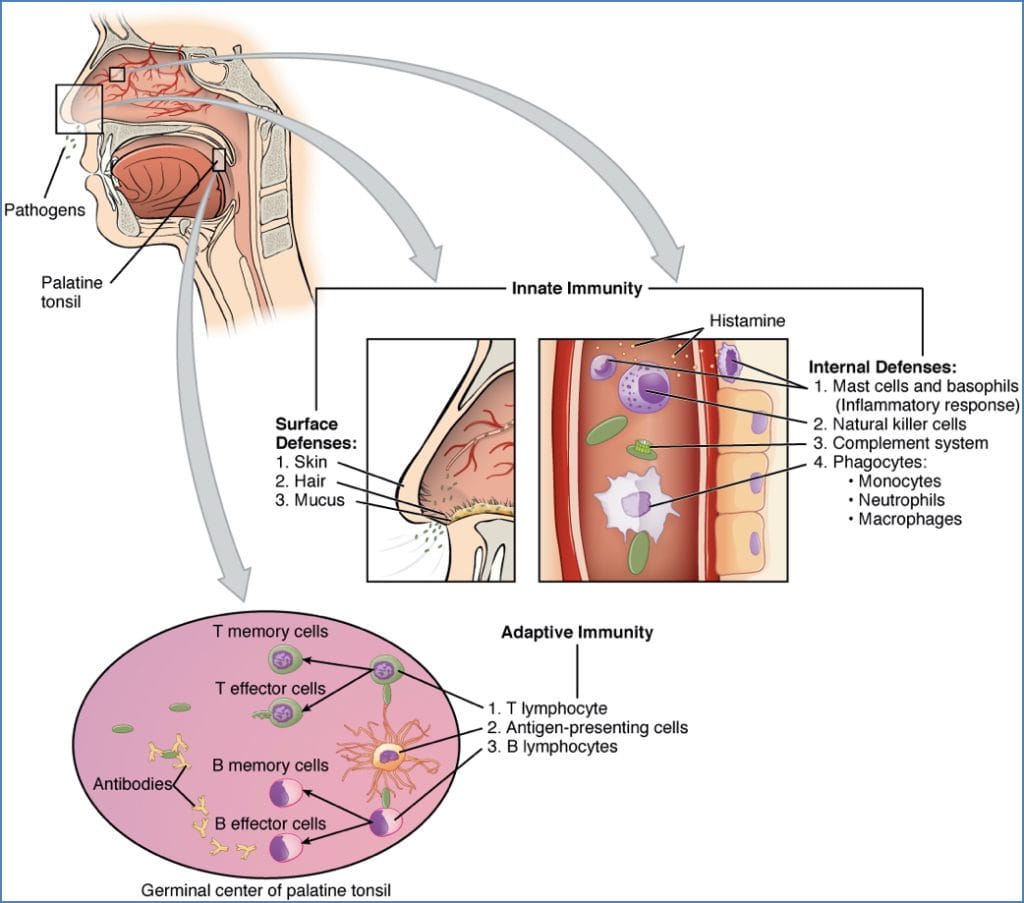
The innate immune system provides immediate, broad-spectrum defence against infection using physical barriers, immune cells, antimicrobial proteins, and inflammation. It acts as the body’s first responder, buying time for the adaptive immune response to activate. Key components include neutrophils, macrophages, NK cells, cytokines, complement proteins, and acute phase reactants. For a broader context, see our Immune & Rheumatology Overview page.