
Table of Contents
Overview – Sialadenitis (Parotitis)
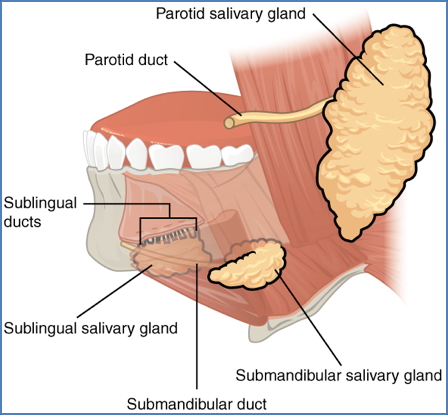
Sialadenitis refers to inflammation of a salivary gland, most commonly the parotid. It frequently occurs in the setting of dehydration or impaired salivary flow, which predisposes to bacterial or viral infection. Mumps is the most recognised viral cause, but bacterial causes such as Staphylococcus aureus are common in postoperative or elderly patients. Prompt diagnosis and treatment are essential to prevent complications such as abscess formation or chronic ductal obstruction.
Definition
- Acute inflammation of one or more salivary glands.
- The parotid gland is most commonly affected.
Aetiology
- Dehydration/Xerostomia (especially postoperative or in the elderly)
- Bacterial:
- Staphylococcus aureus (most common)
- Streptococcus spp., Anaerobes
- Viral:
Pathogenesis
- Reduced salivary flow due to dehydration or ductal obstruction
→ Drying and stagnation of saliva
→ Ascending infection from the oral cavity via salivary ducts
→ Local inflammation, swelling, and tenderness - Chronic or recurrent sialadenitis may result from sialolithiasis or fibrosis of the duct.
Morphology
- Gross enlargement and tenderness of the affected gland
- May have erythema overlying the skin
- Occasionally, purulent discharge from the ductal orifice
Clinical Features
Symptoms
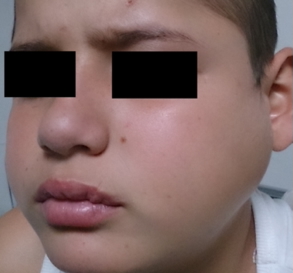
- Swelling of the face (especially over parotid area)
- Dry mouth
- Fever
- Foul taste or bad breath
- Difficulty opening mouth (trismus)
- Pain (especially during meals or chewing)
Signs
- Erythema over gland
- Tender, firm gland
- Purulent material may be expressed from Stensen’s duct
Complications
- Sialolithiasis (salivary duct stones)
- Chronic ductal obstruction or fibrosis
- Abscess formation
- Rarely: deep neck space infection or sepsis
Investigations
- Clinical diagnosis is usually sufficient
- Ultrasound or CT neck (if concern for abscess or stone)
- Culture of purulent discharge (if present)
- Serology for mumps (if viral cause suspected)
Management
- Hydration and oral hygiene
- Warm compresses and gland massage
- Antibiotics:
- Empirical: Penicillin V, Flucloxacillin, or Metronidazole
- Consider broader coverage in elderly/immunocompromised patients
- Analgesia (e.g. paracetamol, NSAIDs)
- Surgical drainage (if abscess develops)
Summary – Sialadenitis (Parotitis)
Sialadenitis is an acute inflammation of the salivary glands, most commonly the parotid, often triggered by dehydration and reduced salivary flow. It can be viral (e.g. mumps) or bacterial (e.g. Staph. aureus), presenting with painful facial swelling, fever, and difficulty eating. Prompt antibiotic treatment and supportive care are key to preventing complications like abscess or chronic obstruction. For broader context, visit our Head and Neck Overview page.