
Table of Contents
Overview – HPV Warts
HPV warts, also known as verruca vulgaris, are benign skin growths caused by infection with the human papillomavirus (HPV). These lesions are common in children and are spread through direct skin-to-skin contact. Most warts resolve spontaneously within two years, but treatment may be pursued for cosmetic reasons, pain, or functional impairment. HPV types vary in oncogenic potential, with some associated with skin or genital warts and others linked to cancers, particularly of the cervix and penis.
Definition
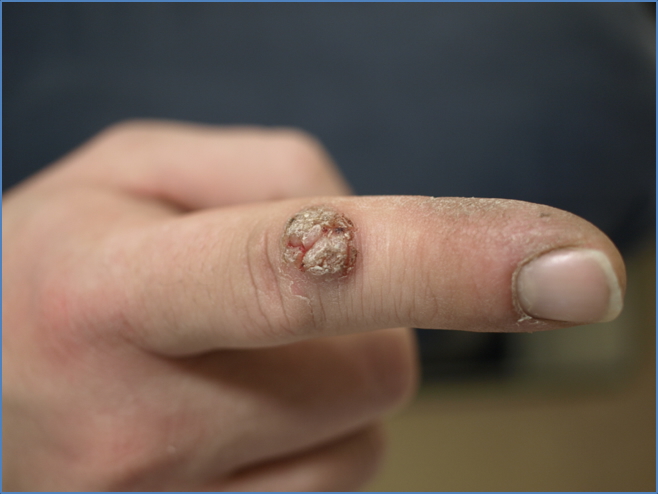
HPV warts (verruca vulgaris) are benign proliferative lesions of the skin caused by human papillomavirus (HPV) infection. They typically present as verrucous, rough-surfaced growths and are most commonly seen on the hands, feet, and knees.
Aetiology
- Caused by infection with HPV (human papillomavirus)
- Transmission via direct contact
- Common strains:
- HPV 6 & 11 → Genital and cutaneous warts
- HPV 16 & 18 → Associated with cervical and penile cancers
Pathogenesis
- HPV infects basal keratinocytes in the epidermis
- Viral oncogenes interfere with cell cycle regulation
- Results in hyperplasia and neoplasia of the epidermis
- Produces warts that are usually benign, but can carry malignant potential depending on the HPV strain
Morphology
Gross
- Verrucous, raised, rough lesions
- Firm, intradermal hard cysts
Microscopic
- Koilocytosis (dysplastic squamous cells with perinuclear halos)
- Inward epithelial growth
- Prominent central blood vessels, which may cause bleeding when disrupted
Clinical Features
- Common on fingers, toes, knees, soles (plantar warts), and palms
- Genital warts (condyloma acuminata) involve the vulva, penis, cervix
- Laryngeal papillomatosis (rare)
- Typically asymptomatic but may be painful or itchy
- Easily spread through direct contact or via contaminated surfaces
- Central blood vessels may lead to profuse bleeding if traumatised
Management
- Observation:
- ~50% of childhood warts resolve within 6 months
- ~90% resolve within 2 years
- Treatment options (if needed):
- Cryotherapy
- Topical agents (e.g. salicylic acid)
- Curettage or surgical excision
- Electrosurgery
- Genital wart management may include podophyllotoxin, imiquimod, or laser therapy
- Prevent recurrence and transmission:
- Avoid sharing towels/razors
- Use protective footwear in public showers
- HPV vaccination may prevent infection with high-risk oncogenic strains (e.g. HPV 16 & 18)
Summary – HPV Warts
HPV warts (verruca vulgaris) are benign, contagious skin lesions caused by the human papillomavirus. These lesions commonly affect children and often resolve without treatment. However, some HPV strains (e.g. 16 & 18) are associated with malignant transformation, particularly in the genital region. For more on skin infections and lesions, visit our Skin & Dermatology Overview page.