
Table of Contents
Overview – General Anaesthesia
General anaesthesia is a medically induced, reversible state of unconsciousness with loss of sensation and protective reflexes, enabling pain-free surgery. General anaesthetics act via both lipid membrane disruption and specific protein receptor interactions, especially GABA and glutamate systems. Understanding the mechanisms, pharmacokinetics, monitoring, and safe reversal of general anaesthesia is crucial for any clinician involved in perioperative care.
Mechanism of Action
1. Lipid Theory
- Correlates anaesthetic potency with lipid solubility (↑lipid solubility → ↑potency)
- Volume Expansion Hypothesis:
- Anaesthetics dissolve in lipid bilayer → expand membrane → compress embedded proteins (e.g. ion channels) → altered function
- Membrane Fluidity Hypothesis:
- Anaesthetics increase membrane fluidity → altered ion channel/receptor activity
- Limitations:
- Linear relationship breaks down at high lipid solubility
- Unequal regional brain susceptibility

2. Protein (GABA) Theory
- Anaesthetics bind to protein receptors:
- GABA receptors → ↑inhibition
- Glutamate receptors → ↓excitation
- Some also enhance K⁺ channel efflux → hyperpolarisation
- Brain GABA distribution correlates with regional anaesthetic sensitivity
Anaesthetic Triad
- Analgesia – pre-emptive pain relief
- Unconsciousness with Amnesia – facilitates humane surgical conditions
- Muscle Relaxation – optimises surgical access, ↓anaesthetic requirements
Induction & Maintenance Protocol
- Propofol – induction
- Fentanyl – analgesia
- Vecuronium – neuromuscular blockade
- Midazolam – anxiolysis & amnesia
- Maintenance with Nitrous oxide + Isoflurane + Oxygen
- Combined MAC = 1.3
- E.g. 0.65 MAC N₂O + 0.65 MAC Isoflurane + remainder O₂
Depth of Anaesthesia
- Stages:
- Analgesia
- Delirium
- Surgical Anaesthesia
- Medullary Paralysis → death
- Assessment:
- Lack of eyelid reflex
- Stable respiration and jaw tone
- No reaction to airway manipulation
- Monitoring:
- EEG – limited reliability but useful trend tool
MAC – Minimum Alveolar Concentration
- MAC = % of inhaled agent that prevents response in 50% of patients
- 1.3 MAC = ~95% surgical anaesthesia
- Additive: MAC values from different agents sum together
- Independent of patient size; affected by:
- Age
- Body temperature
- Drug interactions
- Illness severity
- Examples:
- Nitrous oxide MAC = 105%
- Isoflurane MAC = 1.2%
Pharmacokinetics: Uptake & Distribution
1. Factors Affecting Uptake
- Inspired concentration (MAC) ↑ → faster uptake
- Pulmonary ventilation ↑ → increased delivery
- Gas exchange efficiency:
- Blood:gas solubility
- Low = fast induction (e.g. desflurane)
- High = slow induction (e.g. halothane)
- Pulmonary blood flow
- Arterial vs venous drug gradient
- Blood:gas solubility
2. Factors Affecting Distribution
- Tissue:blood solubility
- High = more lipid-soluble = ↑ potency
- Slow clearance in obese patients
- Tissue perfusion
- Partial pressure gradient between blood and tissues
- Time constants – determine onset offset in large volumes (relevant for obese patients)
Routes of Administration
- Inhaled (preferred) – targets full cardiac output rapidly
- IV (e.g. Propofol) – slower systemic equilibration
- At equilibrium: expired concentration ≈ brain concentration
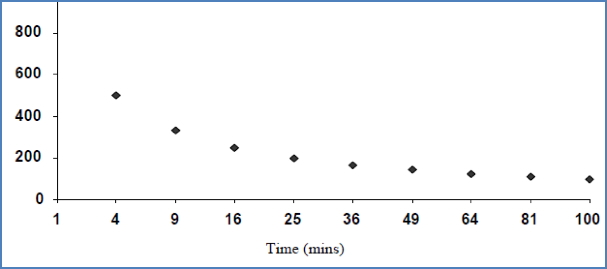
Ideal Anaesthetic Agent Qualities
- Low MAC (↑ potency)
- Low blood:gas partition coefficient (rapid onset/offset)
- Minimal cardiac or respiratory side effects
- Rapid recovery
- Compatible with haemodynamic control
Reversal of Anaesthesia
- Cessation of anaesthetic delivery
- Redistribution of drug from brain → periphery
- Metabolism by liver or lungs
- Reversal of neuromuscular blockade:
- Neostigmine (acetylcholinesterase inhibitor)
- Atropine (muscarinic antagonist → ↑ HR)
Anaesthesia Workflow Summary
Pre-Medication
- Anxiolytics: Midazolam, Diazepam
- Analgesics: Fentanyl, Morphine
- Antiemetics: Metoclopramide, Ondansetron
- Antibiotics: Procedure-dependent
- Triple therapy: Ampicillin + Gentamicin + Metronidazole (AGM)

Induction
- Propofol + Vecuronium/Suxamethonium
Airway Control
- Bag-mask → LMA or ET tube (requires paralysis)
Maintenance
- Volatile agents (N₂O + O₂ + Sevoflurane/Desflurane)
- Propofol infusion
- High-dose opioids
Reversal
- 100% oxygen
- Cease volatile agents
- Reverse muscle relaxants
Summary – General Anaesthesia
General anaesthesia induces unconsciousness, analgesia, and muscle relaxation through effects on lipid membranes and protein receptors like GABA and glutamate. The depth and duration of anaesthesia depend on agent solubility, MAC values, and physiological factors such as ventilation and perfusion. For a wider pharmacological context, see our Pharmacology & Toxicology Overview page.