
Table of Contents
Overview – Chromosomal Errors
Chromosomal errors are abnormalities in the structure or number of chromosomes that arise due to problems during cell division or DNA repair. These errors can result in a wide range of developmental, functional, and genetic disorders. Depending on when they occur, they can affect all cells in the body or only specific cell populations. Understanding chromosomal errors is essential for interpreting karyotypes, diagnosing syndromes, and understanding congenital or acquired genetic diseases.
What Are Chromosomal Errors?
- Errors in chromosome number or structure
- Can arise during meiosis, mitosis, or DNA repair
- May involve:
- Loss/gain of chromosomes
- Duplications or deletions
- Structural rearrangements
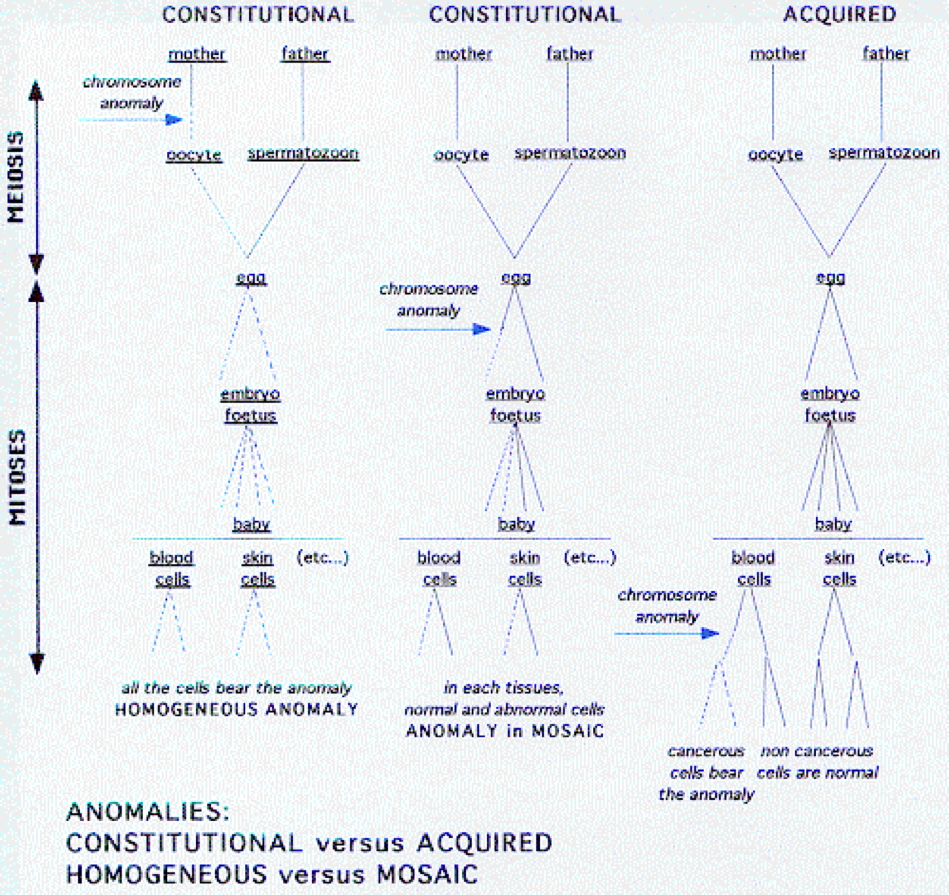
Types of Chromosomal Abnormalities
- Constitutional (occurs during gametogenesis):
- Present in every cell of the body
- Inherited or occurs at conception
- Acquired (occurs during embryogenesis or later):
- Found in clusters of cells
- Results in a mosaic of normal and abnormal cells
Mechanisms Behind Chromosomal Errors
1. Anaphase Lag
- Occurs during anaphase
- One chromosome fails to migrate to the spindle pole
- That chromosome is lost and degraded
- Results in monosomy or trisomy in daughter cells

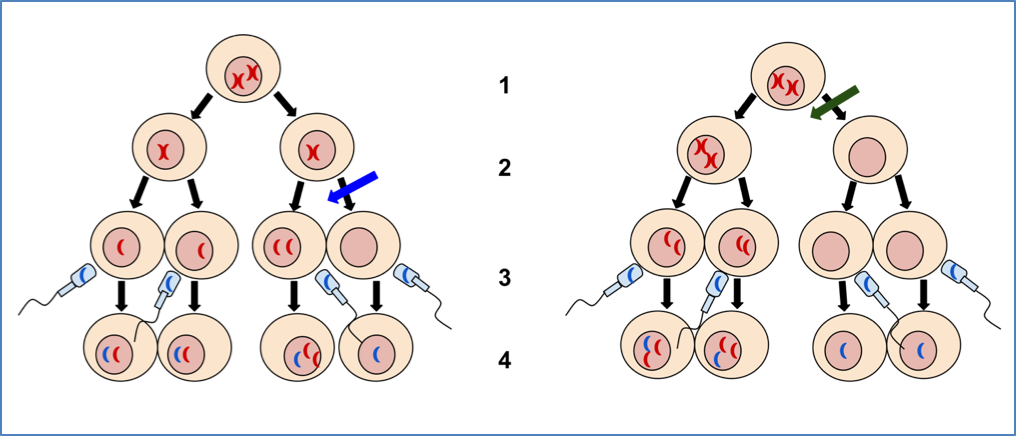
2. Chromosome Mis-Segregation (Nondisjunction)
- Error during meiosis
- Chromosomes don’t separate properly into gametes
- Produces gametes with missing or extra chromosomes
- Fertilisation of such gametes → monosomies or trisomies

2. Tweety207, CC BY-SA 3.0 <https://creativecommons.org/licenses/by-sa/3.0>, via Wikimedia Commons
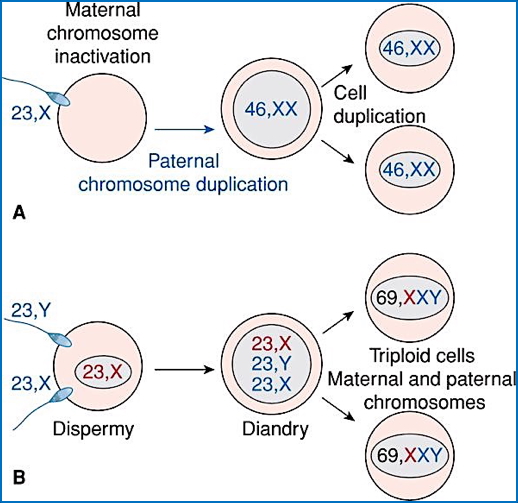
3. Replication Failure and Dispermy
- Leads to polyploidy
- Causes include:
- Diploid gametes from failed meiotic division
- Dispermy (fertilisation by two sperm)
- Early embryonic mitotic failure → triploid mosaic
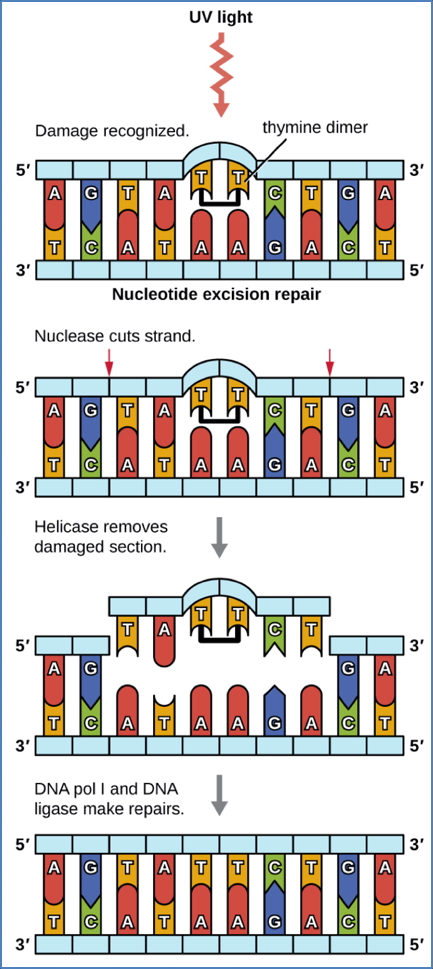
4. Incorrect DNA Repair
- DNA damage is common but usually corrected
- Improper repair can cause structural abnormalities such as:
- Translocations
- Inversions
- Deletions
- Duplications
Structural Chromosomal Abnormalities
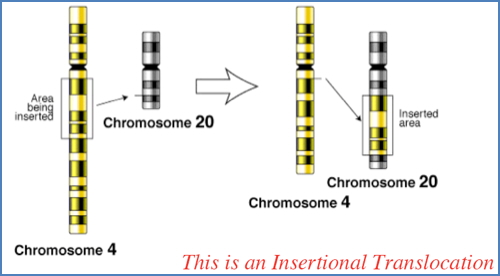
Insertional Translocations
- DNA segment from one chromosome is inserted into another
Reciprocal Translocations
- Two chromosomes exchange segments
- Often balanced, may still cause problems during gamete formation

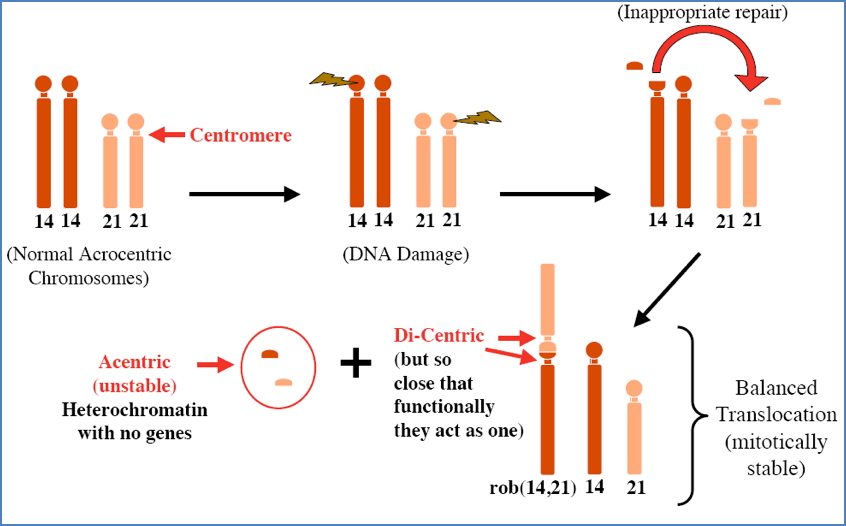
Robertsonian Translocations
- Fusion of acrocentric chromosomes at their centromeres
- Results in one large chromosome and potential unbalanced offspring
Inversions
- A chromosome segment is flipped
- No DNA lost or gained
- Two types:
- Pericentric (includes centromere)
- Paracentric (excludes centromere)

Deletions
- Loss of a DNA segment
- Larger deletions → more severe phenotypes
- Example: Williams syndrome (deletion on chromosome 7)

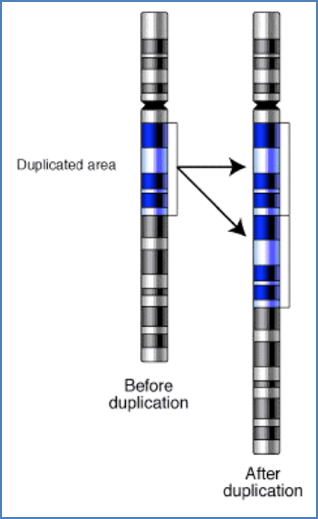
Duplications
- A DNA region is copied
- May be benign if outside coding regions
Aneuploidy vs Polyploidy
Aneuploidy
- Loss or gain of individual chromosomes (≠ 46 chromosomes)
- Commonly caused by nondisjunction
- Results:
- Trisomy (3 copies of a chromosome):
- Trisomy 21 → Down syndrome
- Trisomy 18 → Edward’s syndrome
- Monosomy (1 copy):
- Usually lethal, except in sex chromosomes
- Trisomy (3 copies of a chromosome):

Sex Chromosome Aneuploidy
- Dosage compensation mitigates effects:
- In females, one X is randomly inactivated → Barr Body
- Females are natural mosaics (e.g. dermal dysplasia)
- Males have a single X, dosage-compensated by evolution

Polyploidy
- Extra full sets of chromosomes
- E.g. triploid = 69 chromosomes (3 sets of 23)
- Usually results in spontaneous miscarriage

Summary – Chromosomal Errors
Chromosomal errors include abnormalities in chromosome number (like aneuploidy or polyploidy) and structure (such as translocations, deletions, or inversions). These can arise during meiosis, mitosis, fertilisation, or faulty DNA repair. The consequences range from benign mosaicism to severe genetic syndromes or embryonic lethality. For a broader context, see our Genetics & Cancer Overview page.