
Table of Contents
Overview – Irritable Bowel Syndrome
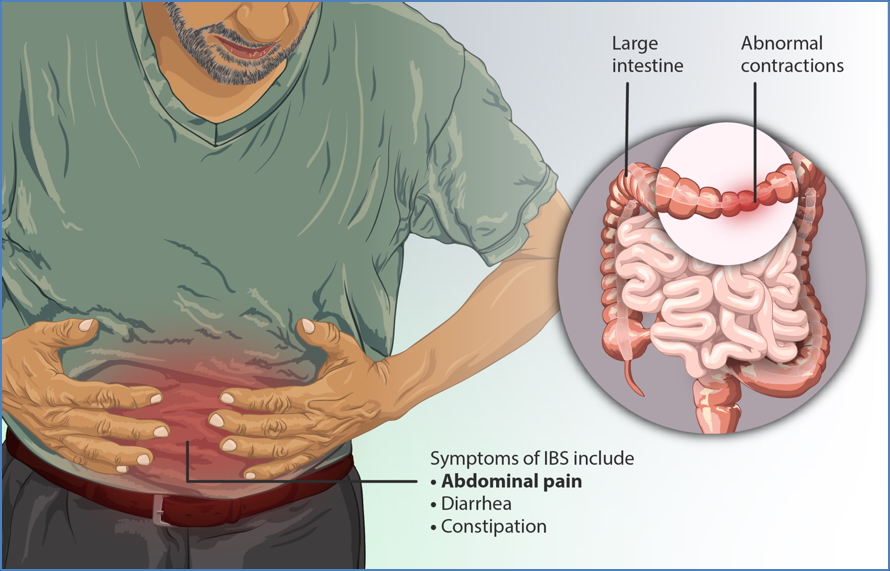
Irritable bowel syndrome (IBS) is a common functional gastrointestinal disorder characterised by chronic abdominal discomfort, bloating, and altered bowel habits in the absence of detectable organic pathology. IBS is a diagnosis of exclusion and often overlaps with mental health comorbidities such as stress, anxiety, and depression. While not life-threatening, IBS can significantly impair quality of life and should prompt further investigation if red flags are present. This page outlines clinical features, key investigations to rule out differentials, and practical management for final-year medical students.
Definition
- IBS is a functional GI disorder with no structural or biochemical abnormalities.
- Diagnosis of exclusion – symptoms without organic pathology.
Aetiology
- True cause remains unknown.
- Thought to involve brain–gut axis dysregulation.
- Common triggers include:
- Psychological stress (e.g., anxiety, depression)
- Autonomic nervous system irregularities
- Visceral hypersensitivity
- Previous GI infection
- Diet-related pain or discomfort
Pathogenesis
- Believed to be a result of abnormal gastrointestinal motility and hypersensitivity.
- No histological or biochemical evidence of inflammation or structural damage.
- Red flags (e.g., anaemia, fever, acute onset, weight loss, blood in stool) suggest alternative diagnosis.
Morphology
- Normal appearance on all routine imaging, endoscopy, and histology.
- No pathological findings.
Clinical Features
- Recurrent abdominal pain/discomfort (>3 months)
- Symptoms related to defecation
- Altered bowel habits:
- Diarrhoea-predominant (IBS-D)
- Constipation-predominant (IBS-C)
- Mixed pattern (IBS-M)
- Bloating
- Tenesmus (feeling of incomplete evacuation)
Investigations
- Clinical diagnosis after excluding red flags and structural disease
- Basic workup to exclude other causes:
- Stool OCP – Parasites
- Stool culture – Small intestinal bacterial overgrowth
- Allergy testing – Lactose intolerance
- Duodenal biopsy – Coeliac disease
- If >50 years or red flags present: → Colonoscopy to rule out colorectal cancer
- Typically, bloods and imaging are normal
Management
- Dietary modification:
- High-fibre diet for constipation
- Avoid trigger foods if intolerant
- Consider FODMAP elimination trial
- Pharmacological:
- Anti-diarrhoeals: e.g. Loperamide
- Antispasmodics (if cramping)
- Low-dose antidepressants (for visceral hypersensitivity)
- Lifestyle:
- Stress reduction techniques
- Regular exercise
- Probiotics (e.g. yoghurt, supplements)
Complications
- None structurally, but significant impact on:
- Quality of life
- Work/school absenteeism
- Mental health (depression/anxiety)
Summary – Irritable Bowel Syndrome
Irritable bowel syndrome (IBS) is a chronic, functional gastrointestinal disorder presenting with abdominal discomfort, bloating, and altered bowel habits. While it lacks a pathological basis, a thorough exclusion of other causes is essential—especially in older patients or those with red flags. Management includes dietary changes, pharmacological symptom control, and stress reduction. For more gastrointestinal conditions, see our Gastrointestinal Overview page.