
Table of Contents
Overview – Aplastic Anaemia
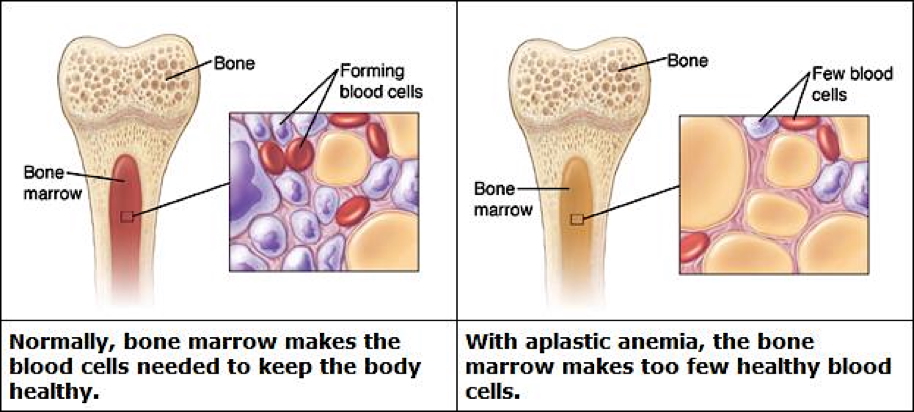
Aplastic anaemia is a rare but serious cause of pancytopenia, characterised by hypocellular bone marrow and a deficiency of all blood cell lines: red cells, white cells, and platelets. Unlike malignancies, there is no infiltration by abnormal or leukemic cells. Instead, this is a true bone marrow failure state — often idiopathic, but potentially secondary to drugs, toxins, or radiation. Diagnosis is confirmed via bone marrow biopsy, and early recognition is crucial for initiating marrow-supportive care or curative stem cell transplantation.
Definition
- Aplastic anaemia is defined as pancytopenia with hypocellular bone marrow
- There is no evidence of malignancy or infiltration
- A diagnosis of exclusion: other causes of pancytopenia must be ruled out
Aetiology
Primary (Idiopathic)
- Congenital aplastic syndromes (e.g. Fanconi anaemia)
- Idiopathic in many adult cases
Secondary
- Cytotoxic drugs (e.g. chemotherapy)
- Drug reactions:
- Chloramphenicol
- Chlorpromazine
- Phenytoin
- NSAIDs
- Ionising radiation exposure
- Viruses (e.g. hepatitis, EBV, parvovirus B19 – less common)
Pathophysiology
- Loss or dysfunction of pluripotent stem cells
- Remaining stem cells are immunogenic or defective
- Leads to failure of haematopoiesis
- Results in pancytopenia (↓ RBCs, WBCs, platelets)
- Bone marrow becomes hypocellular and fatty
Morphology
- Bone marrow: hypocellular with fatty replacement
- No leukemic blasts or abnormal infiltrates
- Peripheral blood:
- Pancytopenia
- No immature or abnormal cells
- Absence of reticulocytes
Clinical Features
General Anaemia Symptoms
- Fatigue, dizziness, exertional dyspnoea
- Tachycardia, pallor, systolic murmur
- Features of cardiac strain in elderly (e.g. angina, claudication)
Signs Specific to Aplastic Anaemia
- Bleeding and bruising: due to thrombocytopenia (petechiae, gum bleeding)
- Infections: due to neutropenia
- No hepatosplenomegaly or lymphadenopathy (helps differentiate from malignancy)
Investigations
- FBC: pancytopenia
- Reticulocyte count: very low or absent
- Bone marrow biopsy (essential):
- Shows hypocellularity
- Confirms absence of infiltrative disease
Management
- Supportive care:
- Red cell and platelet transfusions
- Antibiotics for infections
- Definitive treatment:
- Allogeneic bone marrow transplant (curative in young patients)
- Immunosuppressive therapy (e.g. ATG, ciclosporin) in non-transplant candidates
Summary – Aplastic Anaemia
Aplastic anaemia is a life-threatening condition caused by failure of bone marrow stem cells, resulting in pancytopenia and hypocellularity. Clinical features include fatigue, bleeding, and infection. Diagnosis is confirmed by bone marrow biopsy, and management includes supportive care and potentially curative bone marrow transplantation. For a broader context, see our Blood & Haematology Overview page.