
Table of Contents
Overview – Sexual Dysfunctions
Sexual dysfunctions are common clinical presentations affecting both men and women, characterised by disturbances in sexual desire, arousal, orgasm, or pain during intercourse. These disorders often have multifactorial causes—ranging from psychological and relational to medical or neurological conditions—and may significantly impact quality of life and interpersonal relationships. Accurate diagnosis and compassionate management are essential, including open clinician communication, patient reassurance, and tailored treatment strategies.
Definition
Sexual dysfunction refers to a persistent problem during any phase of the sexual response cycle (desire, arousal, orgasm, resolution) that prevents the individual or couple from experiencing satisfaction from sexual activity.
Sexual Dysfunctions in Both Sexes
Hypoactive Sexual Desire Disorder
- Marked decrease or absence of sexual thoughts or desire.
- Diagnosed only if it causes personal distress or interpersonal difficulty.
- Exclude medical causes (e.g. depression, medications).
- Treatment: Couple counselling, psychological therapy.

Sexual Aversion Disorder
- Active aversion or avoidance of sexual contact.
- More common in women, possibly due to fear of vulnerability or past trauma.
- Treatment: Individual or trauma-informed counselling.

Dyspareunia
- Painful sexual intercourse.
- In women: Due to first intercourse, anatomical mismatch, inadequate lubrication, or infection.
- In men: Causes include phimosis or infection.
- Treatment: Address underlying cause—medical, physical, or psychological.

Female-Specific Sexual Dysfunctions
Female Sexual Arousal Disorder
- Inability to achieve or maintain sufficient lubrication/swelling during sex.
- Associated factors: stress, fatigue, body image issues, trauma, gender dysphoria.
- Treatment: Lubricants, counselling, bremelanotide (libido-enhancing drug).
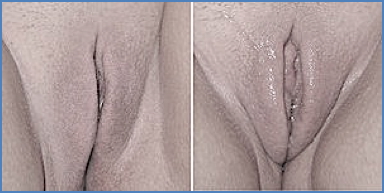
Vaginismus
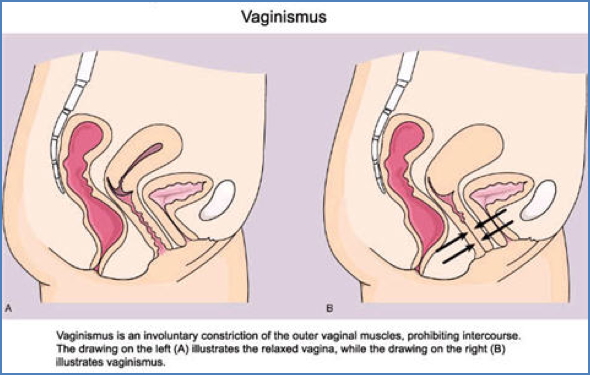
- Involuntary, painful contraction of the vaginal muscles on attempted penetration.
- Often due to anxiety, fear, or trauma.
- Treatment:
- Psychological: Psychosexual therapy
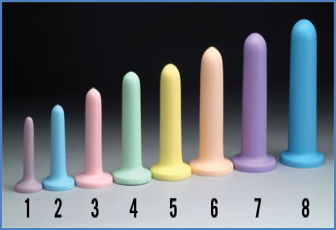
- Physical: Vaginal dilators, pelvic floor physiotherapy, botulinum toxin injections
Female Orgasmic Disorder
- Marked delay or absence of orgasm during sexual activity.
- May be linked to trauma, guilt, or poor communication in relationships.
- Treatment: Masturbatory training, sexual education, therapy to reduce stigma.


Male-Specific Sexual Dysfunctions
Male Erectile Disorder
- Affects ≈25% of men over 40.
- Inability to achieve or maintain an erection.
- Causes: diabetes, vascular disease, neurological damage, medications, depression.
- Treatment: Sildenafil (Viagra), tadalafil (Cialis), counselling if psychological.


Male Orgasmic Disorder
- Persistent inability to achieve orgasm despite sufficient stimulation.
- Psychological causes dominate: trauma, religious guilt, intimacy issues.
- Treatment: Counselling, psychotherapy to reduce performance anxiety.

Premature Ejaculation
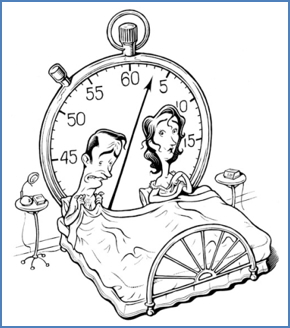
- Ejaculation occurs before the man or his partner desires it, often before orgasm is reached.
- Masters & Johnson: >50% of encounters with early ejaculation.
- Causes:
- Psychological: anxiety, low confidence, unrealistic expectations
- Physical: neurological sensitivity
- Treatment:
- Topical anaesthetics (e.g. lignocaine spray)
- SSRIs or tricyclic antidepressants (delay ejaculation)
- Behavioural techniques and desensitisation
Diagnosis and Examination
Communication Approach
- Be open, empathetic, and non-judgemental.
- Normalise and generalise to reduce shame:
- “Many people in your situation…”
- “It’s very common to experience this…”
- Use non-threatening questions:
- Are you currently sexually active?
- Do you have any concerns about your sexual health?
- How has your sexual experience changed over time?
Examination & Testing
- History: Full sexual history
- Physical Exam: Genitourinary, neurologic, and vascular assessment
- Laboratory Tests: Hormonal panels, biochemistry
- Women:
- Pap smear
- Vaginal culture
- Oestrogen/testosterone levels
- Men:
- Testosterone, prolactin, LH/FSH
- Nocturnal penile tumescence (if relevant)
Summary – Sexual Dysfunctions
Sexual dysfunctions encompass a wide range of conditions affecting desire, arousal, and satisfaction in both men and women. Identifying the underlying physical, emotional, or relational causes is crucial for effective management. For a broader understanding of sexual health conditions, visit our Reproductive Health Overview page.