
Table of Contents
Overview – Thinking & Language
Thinking and language are central to human cognition and communication. These processes allow us to encode, interpret, and convey complex ideas, emotions, and intentions. From early childhood through adolescence, communication develops across verbal, non-verbal, expressive, and receptive domains, and disruptions can signal developmental, congenital, or acquired pathology.
Communication
What is Communication?
- The exchange of ideas between two or more people
- Involves transmission and response/feedback
- Includes verbal and non-verbal elements
- Communication does not require speech or language (e.g. infants use gestures, vocalisations)
Importance of Communication
- Express thoughts and feelings
- Establish identity
- Build and maintain relationships
- Enable teaching, learning, and business transactions
Aspects of Communication
- Language (Expressive & Receptive)
- Speech
- Voice
- Fluency
Language
What is Language?
Language is the coding of meaning into a symbolic system (e.g. words, sentences, texts) to convey ideas and emotions.
Four Components of Language
Form
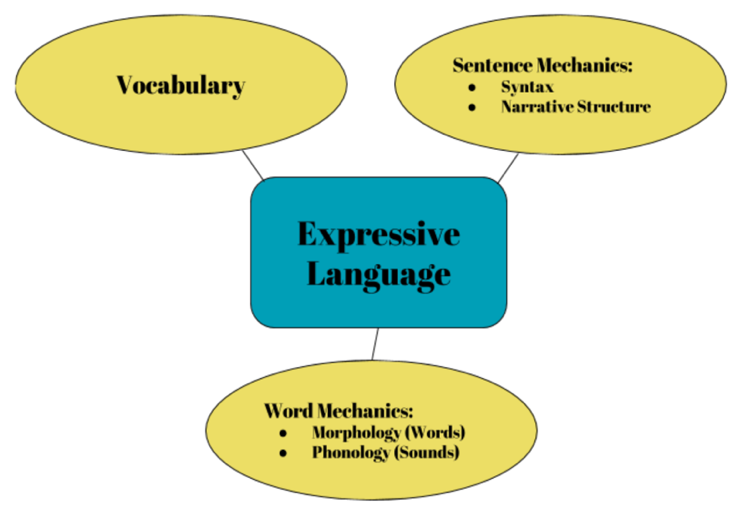
- Phonology – the sound system of language
- Phoneme: distinct sound units (e.g. /f/, /m/, /k/)
- Morphology – use of grammatical markers (e.g. suffixes, tense, plurality)
- Free morphemes: standalone words (e.g. run, yellow)
- Bound morphemes: modifiers (e.g. -ing, -ed, -s)
- Syntax – structure and word order (e.g. noun → verb → object)
Content
- Semantics – the meaning of words and phrases
Grammar = Morphology + Syntax
Speech
What is Speech?
Speech is the production of sounds that form spoken words.
Components of Speech
- Phonemes – individual sound units
- Syllables – phoneme clusters with a vowel sound
- Prosody – rhythm, pitch, stress, intonation, and duration
Fluency
- Refers to the flow of speech, including rhythm and timing
Voice
What is Voice?
Voice is the generation of sound through:
- Respiratory system (airflow)
- Larynx (vocal fold vibration)
- Vocal tract (resonance)
Key Characteristics
- Pitch
- Loudness
- Quality and tone
Modes of Communication
Verbal / Written Communication
- Pragmatics – the use of language in context
- Conversational and cultural conventions
- Politeness, bluntness, literal vs non-literal language
- Language, speech, voice, fluency
Non-Verbal Communication
- Body language
- Facial expressions
- Gestures
- Vocal intonation and rhythm

Process of Communication
Speech Production
- Linguistic encoding of meaning into words
- Motor translation:
- Respiratory muscles (airflow)
- Laryngeal muscles (phonation)
- Articulators (tongue, lips, jaw, palate)
Hearing & Comprehension
- Sound wave transduction → electrical impulses → interpretation by brain
Language Domains
- Receptive language – comprehension of spoken or written language
- Expressive language – production of spoken or written language

Development of Communication Skills
Infants (6–12 months)
- Speech: babbling (syllables, no meaning)
- Language: understand ~3–50 words
Toddlers (1–2 years)
- Speech: first words, up to 200-word vocabulary
- Language: understand 50–300 words, ask/answer simple questions
Toddlers (2–3 years)
- Speech: ~1000 words, master “early 8” sounds (e.g. m, b, p, d)
- Language: follow directions, understand stories, answer “wh-” questions
Early Childhood (3–5 years)
- Speech: >2000 words, master “middle 8” sounds (e.g. k, g, t, f, ch)
- Language: understand up to 10,000 words, use complex grammar and pragmatics
Primary School (5–12 years)
- Speech: abstract vocabulary, “late 8” sounds (e.g. s, z, l, r), consonant clusters
- Language: understand stories, explanations, jokes, instructions
High School (13–18 years)
- Speech: vocabulary exceeds 10,000
- Language: advanced forms – debate, satire, argument, academic writing
Causes of Communication Defects
Acquired
- Hearing loss
- Traumatic brain injury
- Meningitis
Congenital
- Cleft palate/lip
- Craniofacial anomalies
- Syndromes (e.g. Down syndrome)
- Intellectual disability
Developmental
- Social deprivation
- Parental neglect
Types of Communication Deficits
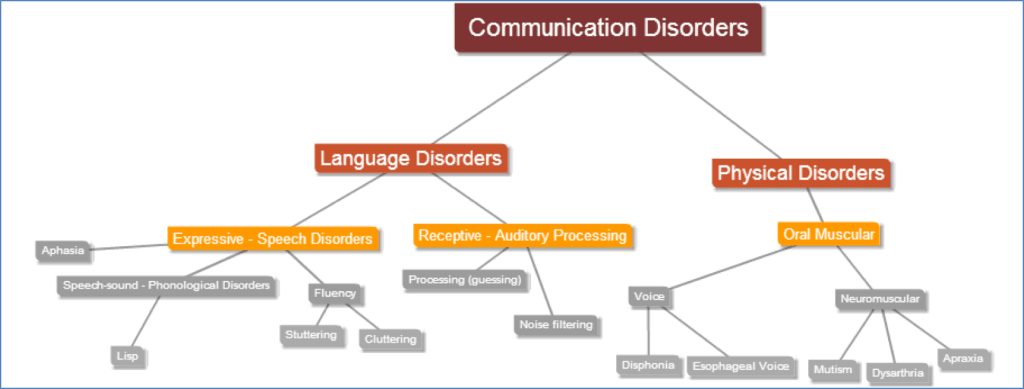
Receptive Language Delay
- Poor comprehension of words or stories
- Inability to follow instructions
- Reliance on context clues
Expressive Language Impairments
- Limited vocabulary, word-finding issues
- Omitted grammar (e.g. “He swimming beach”)
- Poor sentence construction
- Difficulty with storytelling or essays
Pragmatic Impairments
- Inappropriate content for context
- Conversation breakdowns (e.g. interruptions, ignoring questions)
- Misuse of non-verbal cues (e.g. poor eye contact)
Speech Impairments
- Substitution or omission of sounds (e.g. “puter” for “computer”)
- Slurred or imprecise speech
- Disrupted rhythm
Voice Impairments
- Hoarseness, breathiness
- Absent or inappropriate pitch
- Pitch breaks
Fluency Impairments
- Hesitations, abnormal rhythm
- Stuttering:
- Repetitions
- Prolongations
- Blocks
Red Flags in Development
Speech
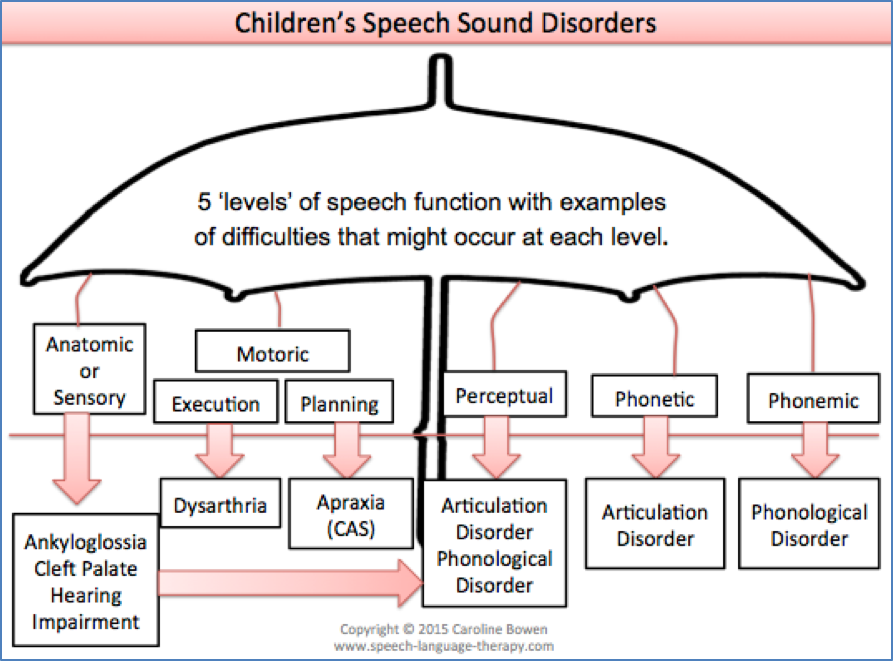
- Missing sounds at >2 years
- Speech unintelligible at >3 years
- Persistent errors after 5 years
Language
- No response to sounds >4 months
- Not speaking by 2 years
- No simple sentences by 2.5 years
- Poor grammar or comprehension <4 years
- Behaviour problems or poor social skills
- Learning and communication difficulties at school
Summary – Thinking & Language
Thinking and language are foundational to communication, learning, and social connection. From the early stages of babbling to the mastery of abstract and academic language, these processes are shaped by biological, developmental, and environmental factors. Recognising deficits early can guide timely intervention. For a broader context, see our Psychiatry & Mental Health Overview page.