
Table of Contents
Overview – Addiction Psychology
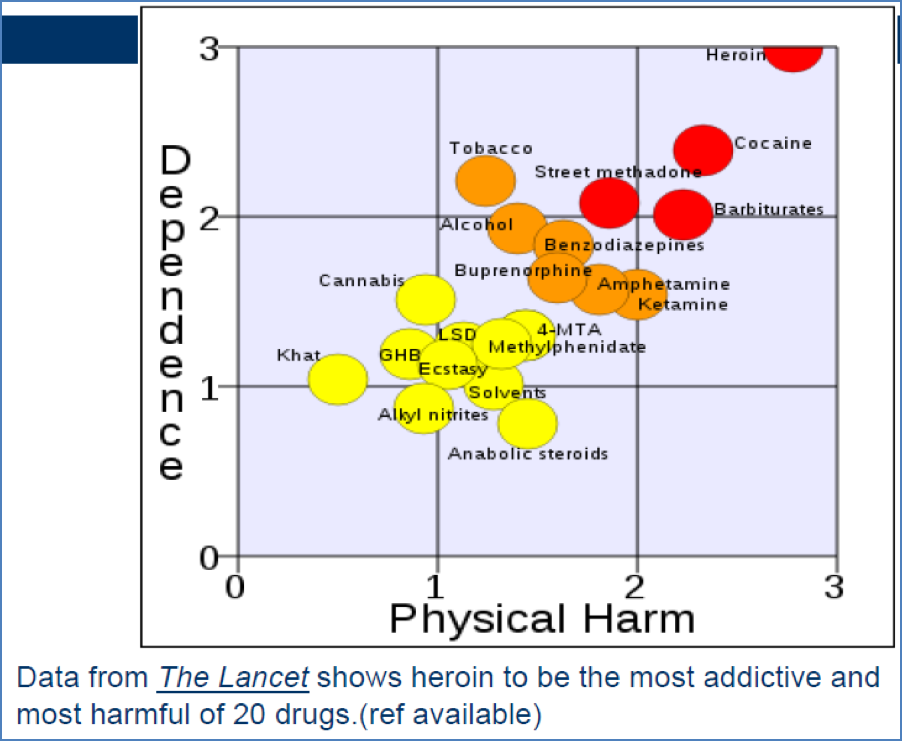
Addiction psychology explores the behavioural, neurological, and environmental factors that lead to substance use, misuse, and dependence. While media attention tends to focus on illicit drugs, the most socially and medically damaging substances remain alcohol and tobacco. Addiction impacts every aspect of a person’s health — physical, mental, social, and economic — and understanding its multifactorial nature is key to prevention, identification, and treatment.
Definition
In addiction studies, a “drug” refers to a chemical used non-medically and self-administered for its psychoactive effects.
Common Drugs of Addiction
Illicit or Controlled Substances:
- Cannabis
- Amphetamines
- Ecstasy
- Cocaine
- Heroin & other opioids
- Benzodiazepines
- Hallucinogens
- Gamma-hydroxybutyrate (GHB)
- Ketamine
Legal but High-Burden Substances:
- Tobacco
- Alcohol
Effects of Drugs on the Central Nervous System

Definitions in Substance Use
Hazardous Use
- Any pattern of substance use that increases the risk of harmful consequences — physically, mentally, or socially.
Substance Abuse
- A maladaptive pattern of use leading to impairment or distress, e.g. failure at work, legal issues, or social problems.
- Does not include tolerance or withdrawal symptoms.
Substance Dependence (Addiction)
- Defined by both physiological (tolerance, withdrawal) and psychological features (compulsive use).
- Diagnostic features may include:
- Larger amounts used than intended
- Persistent desire or failed attempts to reduce use
- Social and occupational sacrifice
- Continued use despite harm
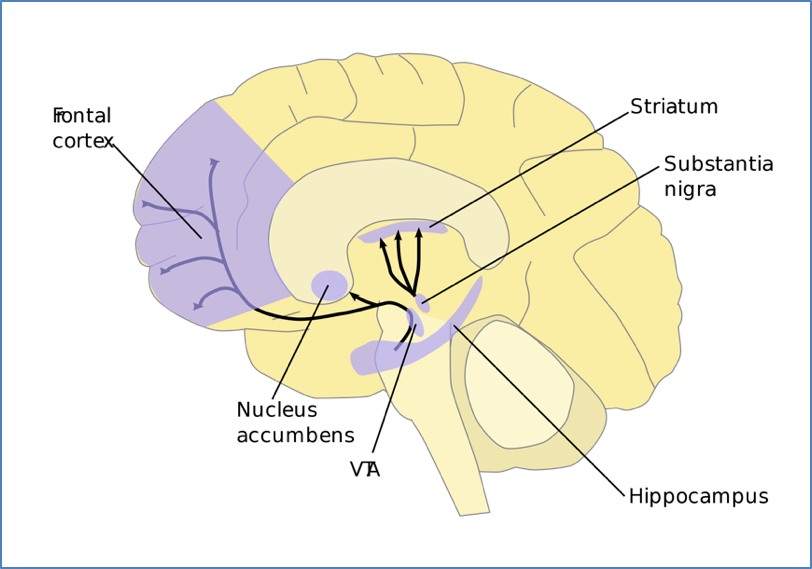
Neurobiology – The Addiction Pathway
- The mesolimbic dopamine system (especially the ventral tegmental area and nucleus accumbens) reinforces pleasurable behaviours.
- Dopamine release in these brain regions underpins cravings and compulsion.
- Ironically, systems evolved for survival reinforcement are hijacked in addiction.
Withdrawal Syndromes
- Occur when drug use is stopped after dependence has developed.
- May include characteristic symptoms or need for a similar substance to avoid symptoms.
- Often, withdrawal symptoms are opposite to the drug’s effects.
Risk Factors for Addiction
Individual Factors
- Positive expectations
- Poor coping mechanisms
- Trauma history
- Impulsivity, low self-esteem, psychiatric comorbidities
Social & Environmental
- Low socioeconomic status
- High crime/unemployment
- Easy drug access
- Cultural permissiveness
Family-Related
- Parental use or antisocial behaviour
- Weak parental attachment
- Poor supervision
Peer Influences
- Substance-using friends
- Peer pressure and affiliation
Barriers to Healthcare Access
- Stigma and discrimination
- Stereotyping and bias from clinicians
- Fear of legal or social consequences
- Drug users are a diverse group requiring compassionate, evidence-based care
Recognising Drug-Seeking Behaviours
- Incongruent behaviour (e.g. claiming pain but showing no distress)
- Requests for specific drugs, dismissing alternatives
- Visiting clinics late or from “out of town”
- “Doorknob” requests or presenting forged documents
Summary – Addiction Psychology
Addiction psychology provides insight into how drugs affect the brain, why dependence develops, and which biological and psychosocial factors contribute to use. From dopamine-driven neurobiology to socioeconomic stressors, addiction is multifactorial and often stigmatised. For more on mental health and related conditions, visit our Psychiatry & Mental Health Overview page.