
Table of Contents
Overview – Postnatal Menstruation and Contraception
Postnatal menstruation and contraception are essential considerations in postpartum care. While breastfeeding often leads to temporary amenorrhoea lasting from two to twelve months, ovulation can still occur before the first period returns. Therefore, it is crucial to provide appropriate contraceptive advice even to breastfeeding women. This article covers the hormonal basis of postnatal amenorrhoea, the timing of menstruation return, and safe contraceptive options in the postpartum period.
Breastfeeding and Amenorrhoea
- Breastfeeding commonly causes amenorrhoea lasting 2–12 months, although this varies widely.
- If the mother is not breastfeeding, menstrual periods typically resume within a few weeks postpartum.
- The hormonal basis involves oxytocin and prolactin, which suppress the hypothalamic-pituitary-ovarian axis, delaying ovulation.
Return of Menstruation
- The first postnatal period may be heavier and more painful than a typical cycle.
- Importantly, ovulation may occur before the first period, meaning a woman can conceive even if she has not yet menstruated postpartum.
- This underlines the importance of early contraceptive planning following delivery.
Lactational Amenorrhoea Method (LAM)
LAM is a temporary, natural form of contraception relying on breastfeeding-induced hormonal suppression of ovulation.
To be considered effective (though not guaranteed), the following conditions must all be met:
- Exclusive breastfeeding (day and night)
- No return of menstruation
- Infant is under six months old
LAM loses reliability if any of the above criteria are no longer met. Therefore, women relying on LAM should be counselled about transitioning to alternative contraceptive methods.
Safe Contraceptive Options While Breastfeeding
- Progesterone-only pill (Mini-pill):
- Does not affect milk production
- Can be started soon after birth
- Condoms:
- Safe and readily available
- Do not interfere with lactation
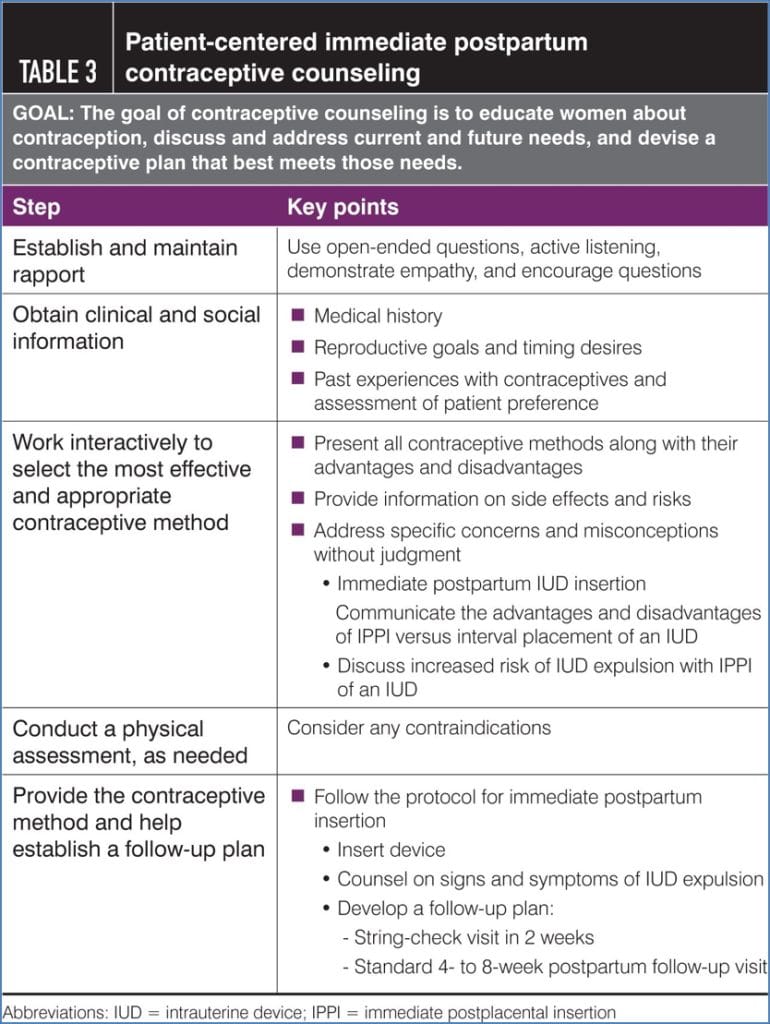
- Postpartum intrauterine device (IUD):
- Highly effective
- Can be inserted from around 4–6 weeks postpartum
Contraceptives to Avoid During Breastfeeding
- Combined oral contraceptive pill (COCP):
- Contains oestrogen
- May reduce milk supply
- Generally not recommended during lactation, especially in the early postpartum months
Summary – Postnatal Menstruation and Contraception
Postnatal menstruation and contraception are key aspects of postpartum planning. Breastfeeding-induced amenorrhoea may last up to 12 months, but ovulation can still occur earlier, making conception possible even without menstruation. The lactational amenorrhoea method offers temporary protection under strict conditions, but longer-term options such as the progesterone-only pill, condoms, or postpartum IUDs are more reliable. Combined oral contraceptives should be avoided while breastfeeding. For a broader context, see our Obstetrics Overview page.