
Table of Contents
Overview – Amniotic Fluid Anomalies
Amniotic fluid anomalies refer to abnormal volumes of amniotic fluid during pregnancy, and are categorised as either polyhydramnios (excess fluid) or oligohydramnios (deficient fluid). Both conditions can signal underlying fetal or maternal pathology, and are associated with increased obstetric risks including fetal malformations, growth issues, preterm labour, and perinatal morbidity. Early identification and appropriate monitoring are essential for optimal outcomes.
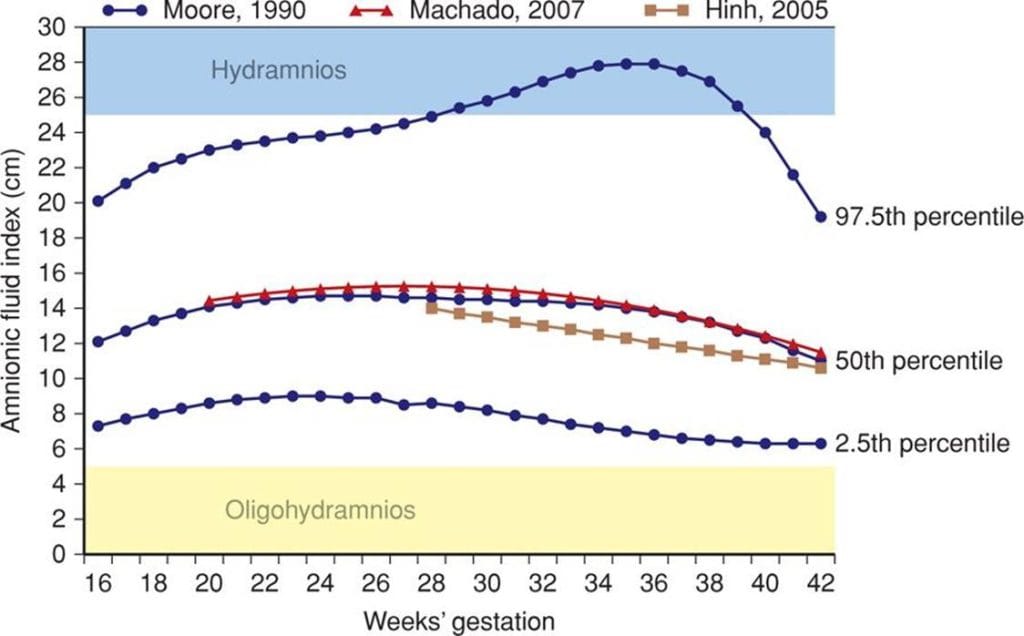
Polyhydramnios
Definition
- Amniotic Fluid Index (AFI) >25 cm
- Ultrasound: Single deepest vertical pocket >8 cm
Aetiology
- Mostly idiopathic
- Maternal diabetes mellitus (especially poorly controlled)
- Placental chorioangiomas
- Multiple gestation
- Fetal chromosomal abnormalities
- Fetal structural anomalies:
- Anencephaly
- Hydrocephalus
- Meningocele
- Tracheoesophageal fistula
- Duodenal atresia
- Facial clefts
Epidemiology
- Occurs in approximately 0.2–1.6% of all pregnancies
Clinical Features
- Uterus larger than expected for gestational age
- Overdistended uterus may cause maternal pressure symptoms:
- Dyspnoea
- Oedema
- Hydronephrosis
- Complications include:
- Cord prolapse
- Placental abruption
- Malpresentation
- Preterm labour
- Postpartum haemorrhage
Management
- Investigate and address underlying cause
- Mild to moderate cases: expectant management
- Severe cases:
- Hospitalisation
- Consider therapeutic amniocentesis
Prognosis
- Associated with a 2–5x increase in perinatal mortality
Oligohydramnios
Definition
- Amniotic Fluid Index (AFI) <5 cm
- Ultrasound: Single deepest vertical pocket <2 cm
Aetiology
- Mostly idiopathic
- Uteroplacental insufficiency (e.g. preeclampsia)
- Use of angiotensin-converting enzyme (ACE) inhibitors
- Fetal urinary tract anomalies:
- Intrauterine growth restriction (IUGR)
- Fetal demise
- Premature rupture of membranes (PROM)
Epidemiology
- Affects approximately 4.5% of pregnancies
Clinical Features
- Uterus smaller than expected for gestational age
- 15–25% association with fetal anomalies
- Complications include:
- Umbilical cord compression
- Pulmonary hypoplasia
- Labour complications
Management
- Rule out PROM
- Serial fetal monitoring
- Doppler studies of umbilical cord and uterine artery
- Encourage maternal hydration
- Amnioinfusion via amniocentesis may temporarily restore fluid volume (~1 week)
- Delivery if at or near term
Prognosis
- High fetal mortality if associated with congenital anomalies or pulmonary hypoplasia
Summary – Amniotic Fluid Anomalies
Amniotic fluid anomalies include both polyhydramnios and oligohydramnios, conditions that reflect abnormal amniotic fluid volumes and may indicate serious fetal or maternal pathology. Proper diagnosis, risk stratification, and management can significantly reduce perinatal morbidity and mortality. For more information, see our Obstetrics Overview page.