
Table of Contents
Overview – Chronic Disease Risk Factors
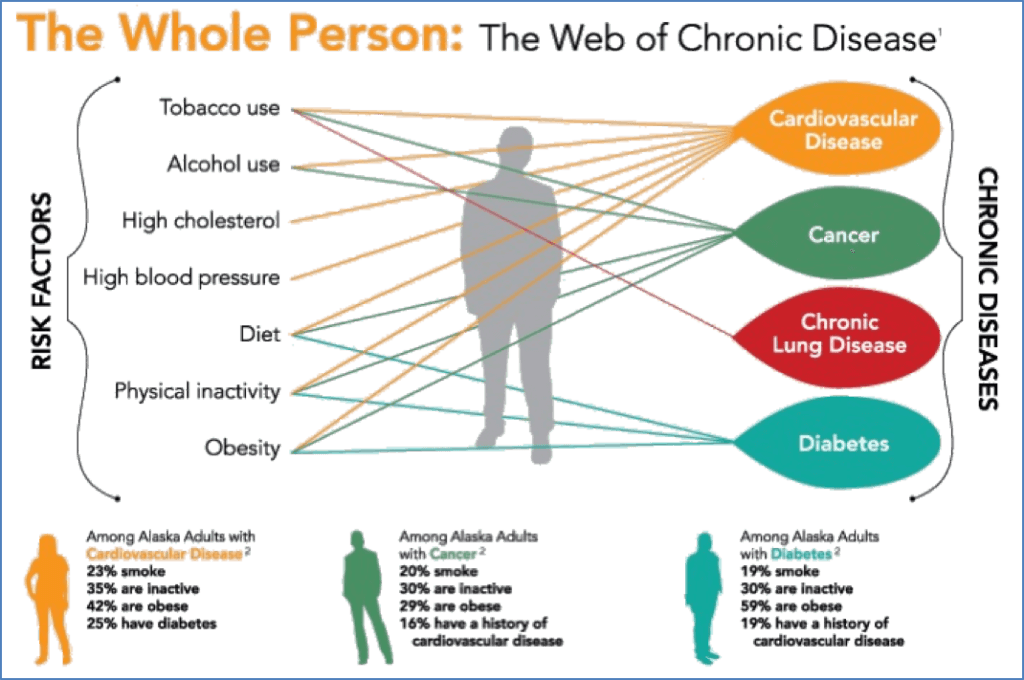
Chronic disease risk factors are key contributors to the global burden of morbidity and mortality. These include both modifiable behaviours—such as smoking, diet, and physical inactivity—and non-modifiable social determinants. This article breaks down the common risk factors, population trends, and prevention strategies relevant to final-year medical students managing patients with long-term conditions.
Definition – Chronic Disease
A chronic disease typically has one or more of the following characteristics:
- It is permanent and incurable
- Causes residual disability or morbidity
- Arises from non-reversible pathology
- Requires long-term observation, care, or treatment
Major Contributors to Chronic Disease Burden
- Cardiovascular disease
- Anxiety and depression
- Diabetes mellitus
- Chronic kidney disease
Modifiable Risk Factors
Overweight & Obesity
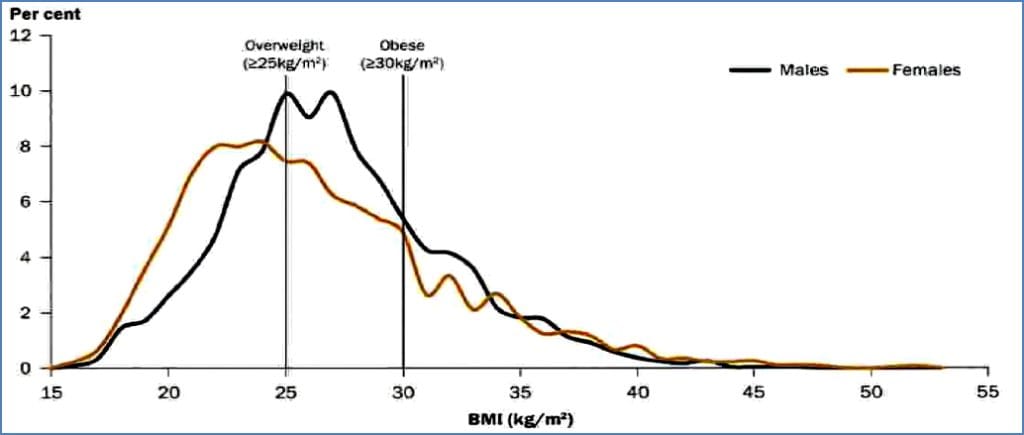
- ~55% of the population is overweight or obese (increasing trend in developed nations)
- Body Mass Index (BMI):
- Calculation: Weight (kg) / Height (m²)
- Categories:
- <18.5 → Underweight
- 18.5–25 → Normal
- 25–30 → Overweight
- 30 → Obese
- Limitations:
- Not accurate for all body types (e.g. muscular individuals)
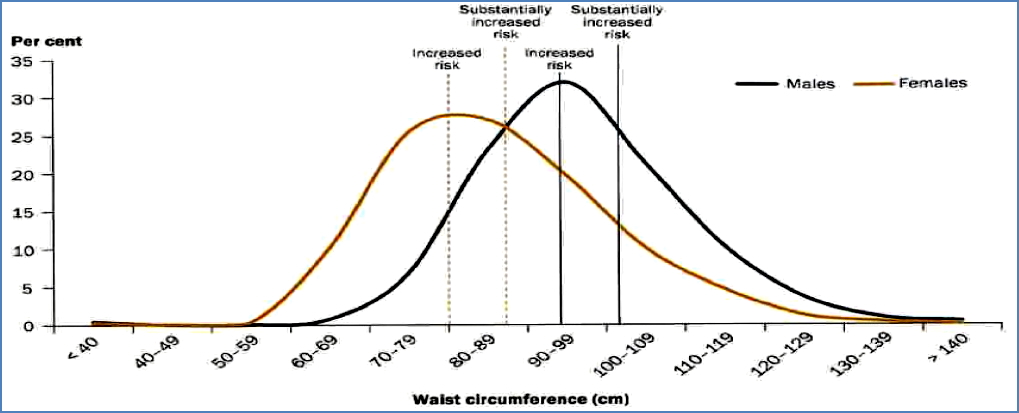
- Should be interpreted alongside waist circumference:
- Males: >94 cm (increased risk), >102 cm (high risk)
- Females: >80 cm (increased risk), >88 cm (high risk)
Physical Inactivity
- ~65% of adults do not meet exercise recommendations (30 minutes, 5 days/week)
- Risk increases with age
- Associated with:
- Type 2 diabetes
- High cholesterol
- Cardiovascular risk

https://mobile.twitter.com/avonhmo/status/1022838331053432832
Poor Diet
- Low intake of fruits and vegetables
- Strongly associated with lower socioeconomic status
Tobacco Smoking
- ~20% of the adult population smokes
- Rates are highest in lower socioeconomic groups

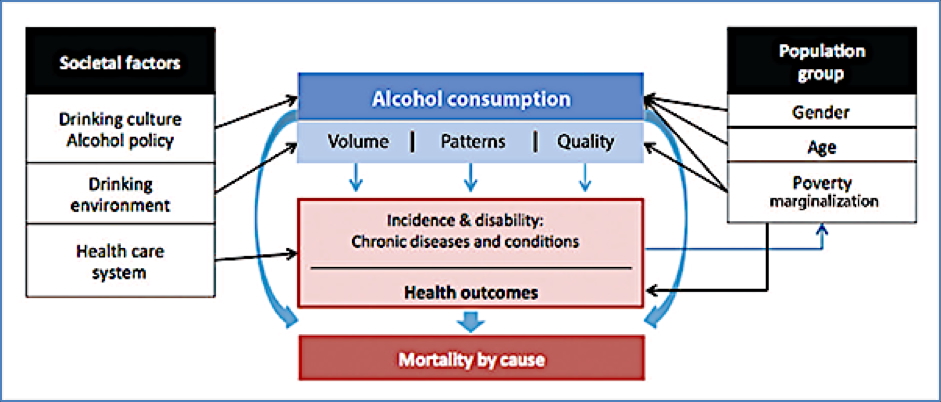
Excessive Alcohol
- ~25% drink at risky levels
- Highest prevalence in rural and remote regions
- Consistent rates across age groups
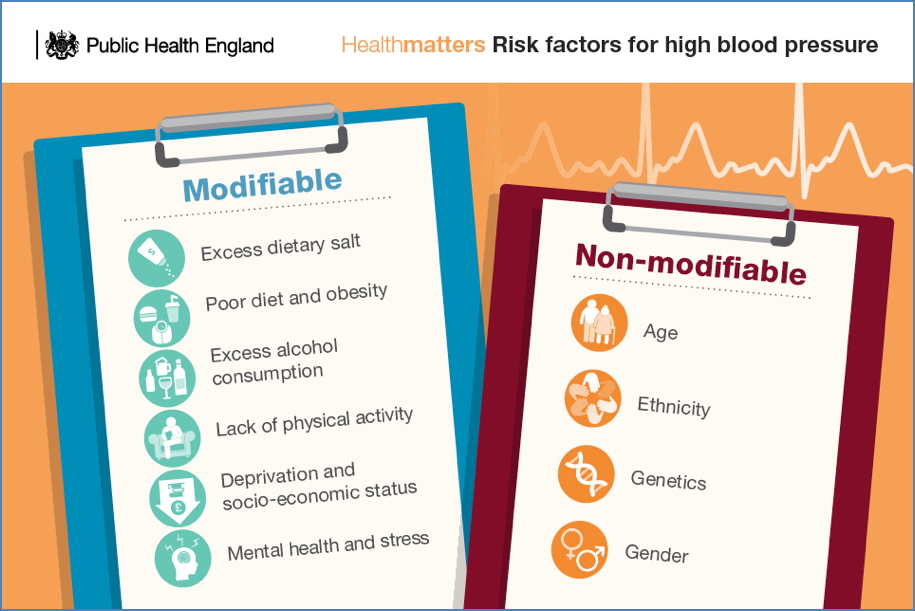
High Blood Pressure
- Affects ~30% of adults over 25 years
- More common in males
- Diagnostic thresholds:
- Systolic ≥140 mmHg
- Diastolic ≥90 mmHg
High Blood Cholesterol
- Affects ~50% of the general population
- ~60% prevalence among Indigenous groups
- Risk based on LDL:HDL ratio
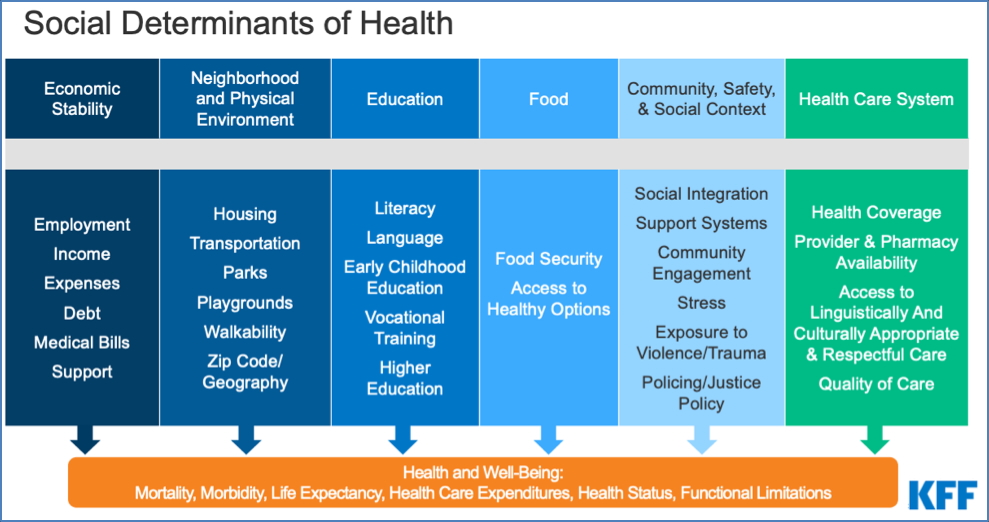
Social Determinants of Health
Socioeconomic Status
- Higher SES correlates with longer life expectancy
- Factors: better nutrition, healthcare access, education
Early Life
- Risk factors:
- Low birth weight
- Neonatal infections
- Maternal smoking
- Non-breastfeeding
Stress
- Common causes:
- Financial pressure
- Relationship issues
- Job insecurity
Employment
- Influences behaviour:
- Occupational hazards
- Peer behaviours (e.g. smoking, fast food habits)
Social Networks
- Social exclusion and lack of support increase depression risk
- Affects minority populations (racial, socioeconomic, sexual orientation, etc.)
Drug Addiction
- Direct risks: infections (e.g. hepatitis B, HIV)
- Indirect risks: crime, poor nutrition, prioritising substance use over health
Prevention Strategies
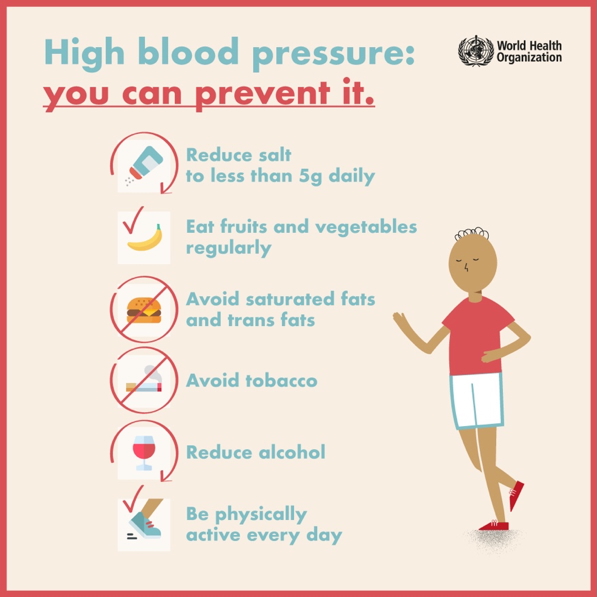
Hypertension
- Primary: Diet, exercise, weight loss, stress reduction
- Secondary: BP screening, early diagnosis, lifestyle counselling
- Tertiary: Antihypertensive medication, regular monitoring
Depression
- Primary: Address isolation, grief, family stress, promote support networks
- Secondary: Early detection and intervention
- Tertiary: Psychological therapy, counselling, ongoing support
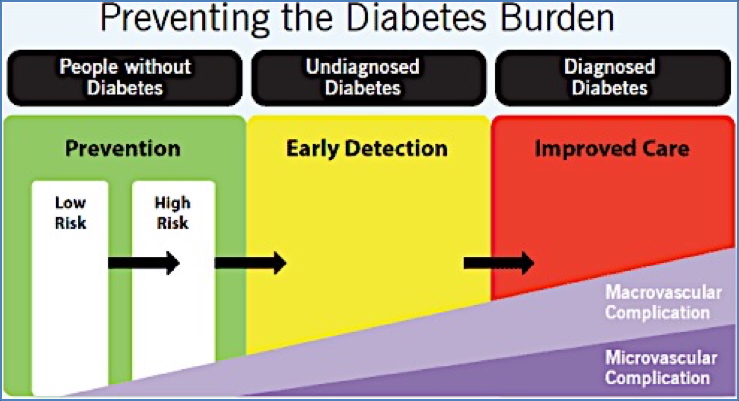
Diabetes
- Primary: Promote exercise, weight control, assess family history
- Secondary: Blood sugar screening in at-risk patients
- Tertiary: Medical treatment, diabetes educator referral, ongoing monitoring
Lipid Disorder
- Primary: Healthy diet, exercise, family risk awareness
- Secondary: Lipid screening, dietary counselling
- Tertiary: Statin therapy, side-effect monitoring
Osteoarthritis
- Primary: Prevent joint injuries in youth
- Secondary: Early diagnosis, especially distinguishing from other conditions
- Tertiary: Medications, physical therapy, assistive devices, surgical referral
Summary – Chronic Disease Risk Factors
This chronic disease risk factors guide covers the key behavioural and social drivers of long-term illness, including obesity, inactivity, smoking, and alcohol use. It also outlines prevention strategies to reduce the burden of chronic conditions. For a broader context, see our Microbiology & Public Health Overview page.