
Table of Contents
Overview – Complex Genetic Traits
Complex genetic traits refer to characteristics or diseases influenced by multiple genes and environmental factors, often lacking clear-cut Mendelian inheritance patterns. While classic tools like Punnett squares help predict inheritance for single-gene traits, most real-world traits—such as height, diabetes risk, and blood pressure—arise from multilocus interactions and environmental triggers. Understanding complex inheritance is essential in modern medicine, especially for conditions like cancer, cardiovascular disease, and neurodevelopmental disorders.
Punnett Squares and Inheritance
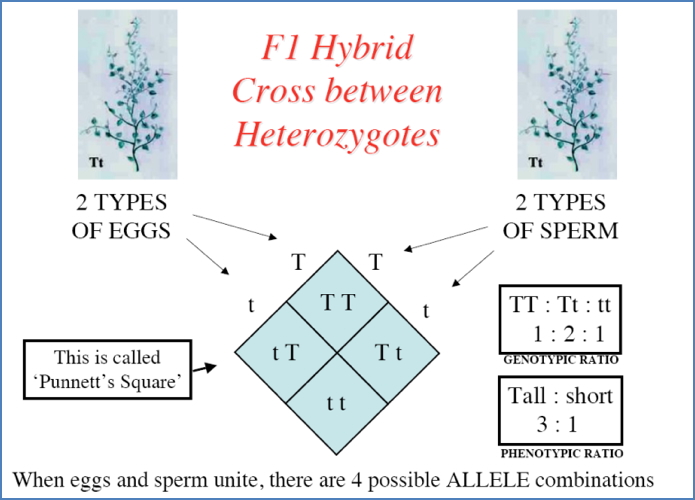
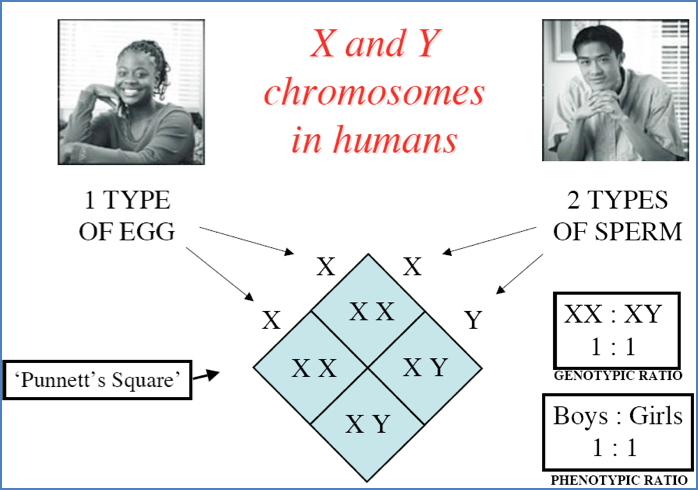
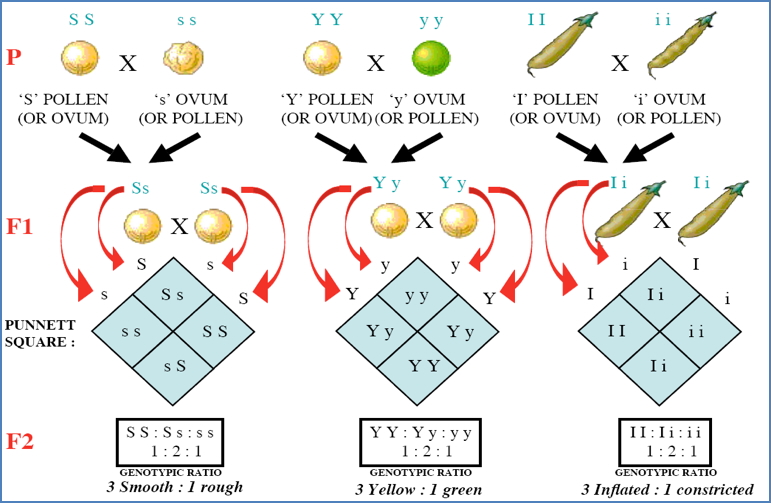
- Punnett squares visualize inheritance probabilities using allele combinations
- Monohybrid Crosses: Track one gene (e.g. tall vs short plants)
- Genotypic ratio: TT : Tt : tt → 1 : 2 : 1
- Phenotypic ratio: Tall : Short → 3 : 1
Di-Hybrid Crosses and Multiple Traits
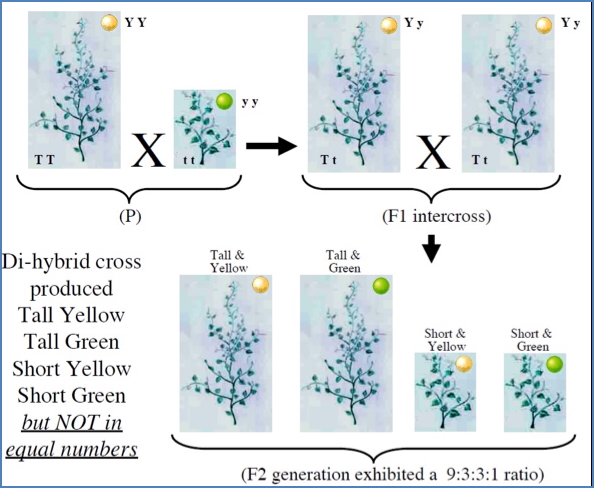
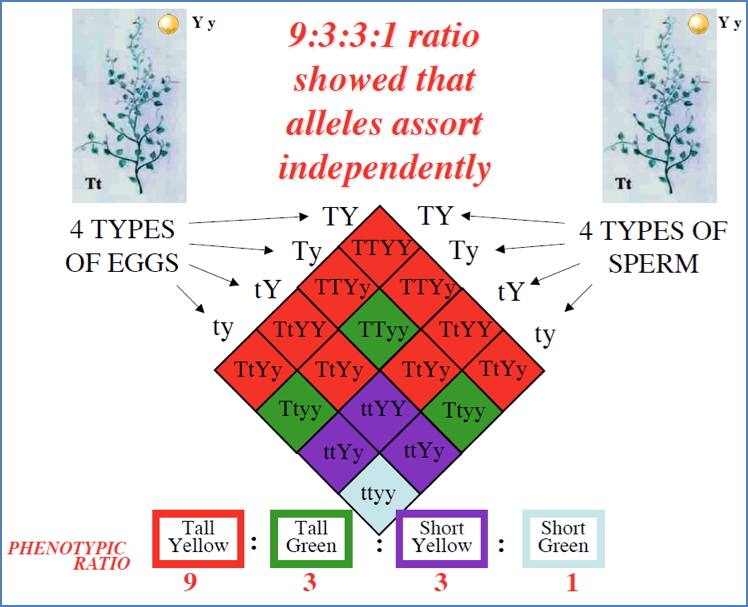
- Dihybrid cross: Cross involving two traits (e.g. height and colour)
- F1 Generation: All heterozygous → display dominant traits
- F2 Generation: Follows 9:3:3:1 phenotypic ratio
- Tall & Yellow
- Tall & Green
- Short & Yellow
- Short & Green
- Underlying assumptions:
- Traits are unlinked
- Alleles assort independently (Mendel’s 2nd Law)
Gene Linkage and Recombination
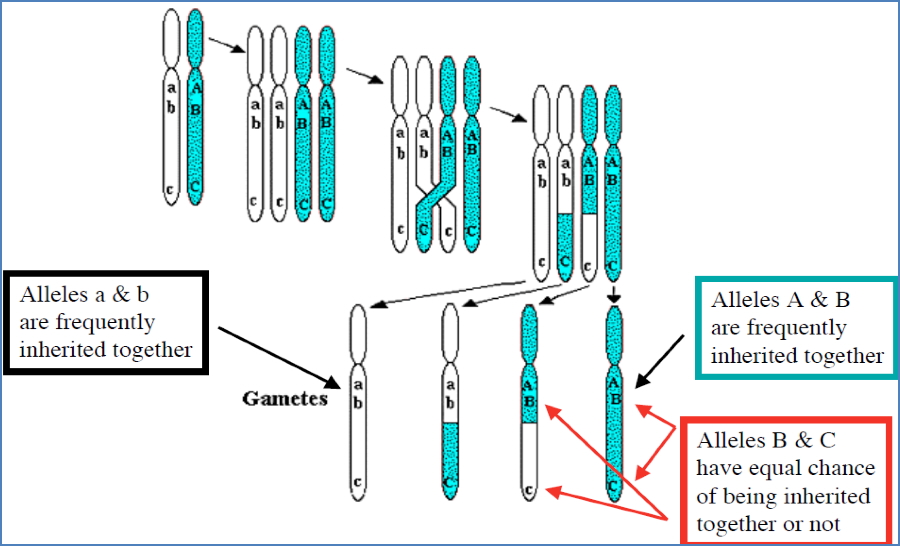
- Linked genes: Located close together on the same chromosome → inherited together
- Independent assortment only occurs when:
- Genes are on different chromosomes
- OR genes are far apart on the same chromosome
- Meiotic recombination (crossing over): Can separate linked genes
- Likelihood of recombination ∝ distance between genes
- Genetic map units:
- 1 centimorgan (cM) = 1% recombination frequency
- <50 cM = linked
Gene Mapping
- Purpose: To locate genes based on recombination frequency
- Higher RF% → further apart
- Lower RF% → tightly linked
- Useful in studying inherited disease loci
Types of Mutated Alleles
- Coding region mutations: Alter protein structure/function
- Intronic (non-coding) mutations: Affect mRNA splicing
- Regulatory mutations: Affect gene expression levels or patterns
Two-Locus Traits and Epistasis
- Epistasis: Interaction where one gene masks the expression of another
- Example: Labrador coat colour
- Locus 1: Black (B) dominant over brown (b)
- Locus 2: Colour present (E) dominant over yellow (e)
- ee genotype → yellow coat regardless of Locus 1
- To produce all 3 colours: both parents must be heterozygous at both loci
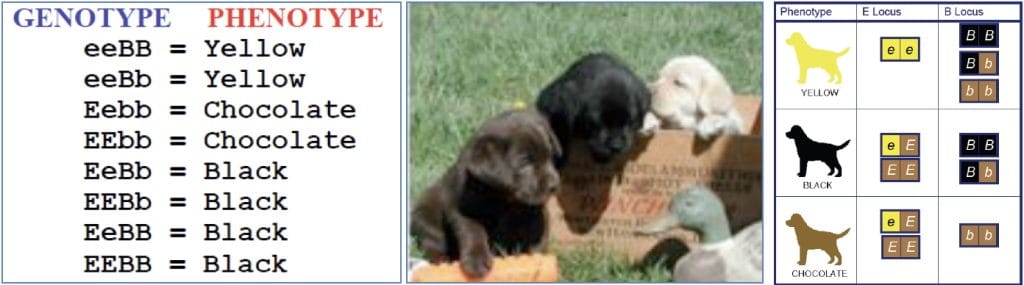
A: Both parents must be heterozygous at both Loci (one parent may be homozygous ‘e-e’)
Multilocus Traits
- Controlled by many genes → individual gene effects are often small
- Traits can be:
- Quantitative: Continuous and measurable (e.g. height, BP)
- Qualitative: Discrete categories (e.g. asthma: yes/no)
- Cannot always observe individual gene effects directly → need statistical models
Gene-Environment Interactions
- Environmental conditions can unmask or silence genetic predispositions
- Example: Phenylketonuria (PKU)
- Mutation in PAH gene → lacks phenylalanine hydroxylase
- Normal environment → severe neurological damage
- Controlled diet → no disease manifestation
- A genetic trait may only express under specific environmental exposures
Susceptibility vs Liability
- Susceptibility: Genetic predisposition (e.g. heritability of Type 2 Diabetes ≈ 98%)
- Liability: Total combined risk = genetics + environment + other factors
Quantitative Traits
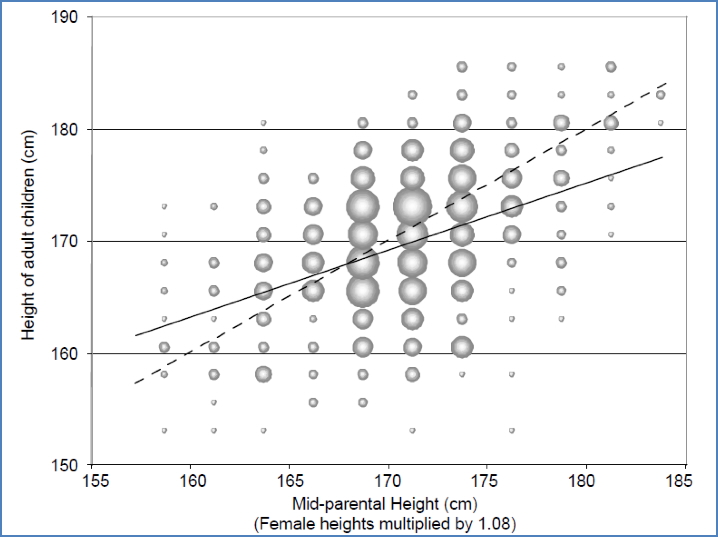
- Example: Height
- Boys: Mean parent height + 6 cm (±10 cm error)
- Girls: Mean parent height – 6 cm (±8.5 cm error)
- Traits follow a normal distribution
- Predictable via regression to the mean

Qualitative Traits
- All-or-nothing traits with categorical outcomes
- Don’t follow simple Mendelian ratios
- Examples:
- Type 1 Diabetes
- Multiple Sclerosis
- Neural Tube Defects (e.g. Spina Bifida)
- Asthma
- Cancer

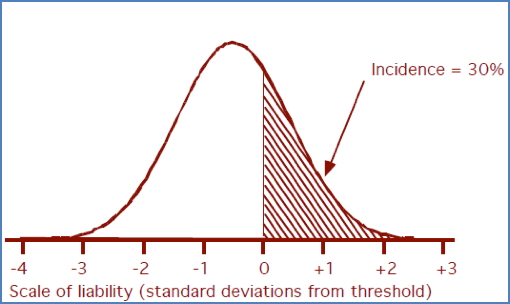
Falconer’s Threshold Model
- Liability: Normally distributed in the population
- Threshold: Point above which disease manifests
- Incidence: Proportion of population above threshold
- Helps predict risk for complex qualitative diseases using statistical methods
Summary – Complex Genetic Traits
Complex genetic traits are influenced by multiple genes and environmental factors and often do not follow simple Mendelian inheritance. While Punnett squares aid understanding of basic inheritance, real-world traits like height, diabetes, and cancer risk require multilocus models, gene-environment interaction insights, and statistical tools like Falconer’s threshold model. For a broader context, see our Genetics & Cancer Overview page.