
Table of Contents
Overview – Colour Blindness
Colour blindness, also known as colour vision deficiency, is a common inherited condition that impairs the ability to perceive certain colours accurately. The most prevalent form is red-green colour blindness, which is caused by genetic mutations, primarily on the X chromosome. While it rarely affects vision overall, it can interfere with everyday tasks like interpreting coloured signals or reading coded materials.
Definition
Colour blindness refers to a spectrum of disorders in which the perception of colours—most commonly red and green—is altered or impaired due to defective photoreceptor proteins in the retina.
Aetiology
- Genetic basis:
- Most commonly inherited in an X-linked recessive manner
- Affects males more frequently (since they have only one X chromosome)
- Females typically need two copies of the faulty gene to be affected, making them more likely to be carriers
- Gene mapping has revealed over 56 different genes across at least 19 chromosomes that can be involved in various forms of colour blindness
- Red-Green Colour Blindness:
- Most common type
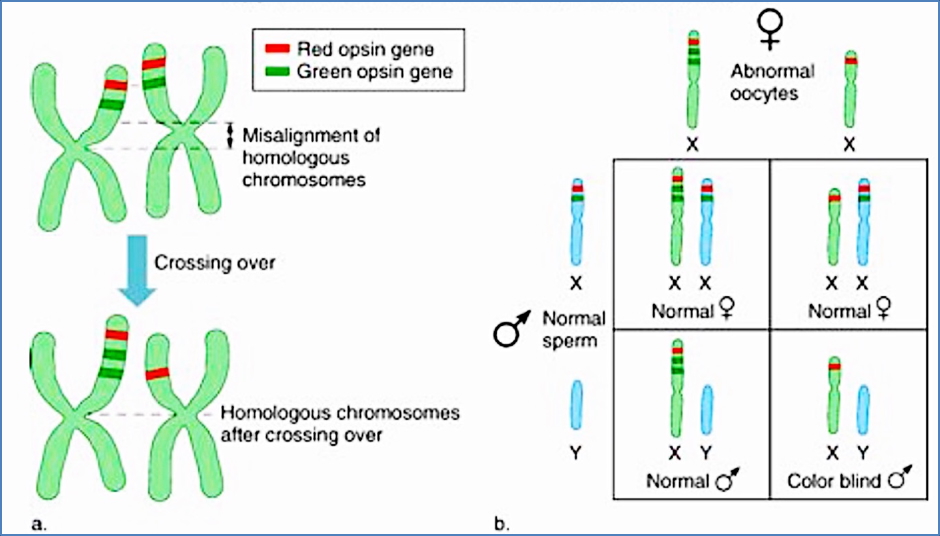
- Caused by unequal crossover of the red (L-opsin) and green (M-opsin) genes during gametogenesis
- These genes are located adjacent to each other on the X chromosome
Clinical Features
- Inability or reduced ability to distinguish between red and green hues
- May also involve blue-yellow discrimination (rarer) or complete absence of colour vision (achromatopsia, extremely rare)
- Symptoms:
- Difficulty with tasks that rely on colour discrimination
- Trouble interpreting traffic lights, reading coloured charts, or distinguishing ripe fruit
- Usually identified in early childhood or through routine screening
Diagnosis
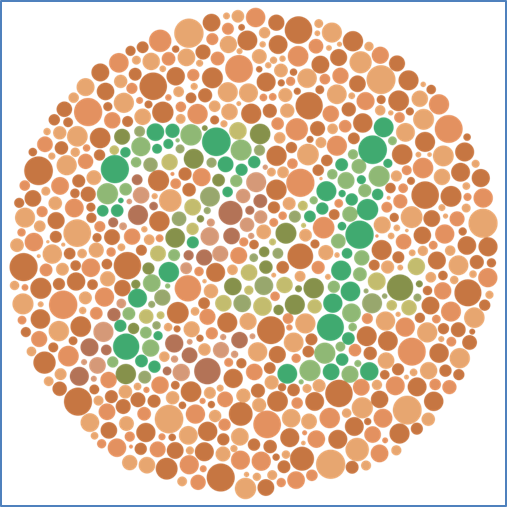
- Ishihara Colour Test:
- Consists of plates with coloured dot patterns forming numbers or shapes
- Patients with red-green colour blindness will fail to identify the numbers
- Anomaloscope testing and genetic testing may be used in specialist contexts
Management
- No cure or definitive treatment
- Strategies include:
- Use of colour-coded labels or symbols
- Colour correction lenses or apps (limited effectiveness)
- Vocational guidance to avoid careers requiring precise colour perception (e.g. pilot, electrician)
- Important for educators and employers to be aware of limitations and adapt materials accordingly
Summary – Colour Blindness
Colour blindness is an inherited condition, most often X-linked recessive, that impairs the ability to distinguish between certain colours—especially red and green. It affects males more commonly and is diagnosed using tests like the Ishihara plates. While there is no cure, adaptive strategies can minimise its impact. For broader genetic context, visit our Genetics & Cancer Overview page.