
Table of Contents
Overview – Biliary Cancers
Biliary cancers include two primary malignancies: cholangiocarcinoma (bile duct carcinoma) and gallbladder carcinoma. These are rare but highly aggressive cancers often diagnosed late due to subtle or non-specific early symptoms. Cholangiocarcinoma typically arises in the intrahepatic or extrahepatic bile ducts and is commonly associated with chronic biliary irritation, whereas gallbladder carcinoma is closely linked to gallstones and chronic inflammation. Both conditions present with constitutional symptoms, cholestasis, and poor prognoses. This page outlines each condition separately, including their risk factors, clinical features, investigations, and management strategies for final-year medical students.
Cholangiocarcinoma
Definition
- Malignant epithelial tumour arising from the bile ducts, either intrahepatic or extrahepatic.
Aetiology
- Risk factors:
- Congenital bile duct cysts
- Chronic biliary inflammation:
- Primary sclerosing cholangitis (PSC)
- Ulcerative colitis
- Parasitic infections (e.g., liver flukes such as Opisthorchis viverrini)
- Not associated with hepatitis or cirrhosis.
Morphology / Pathophysiology
- Histology: Adenocarcinoma
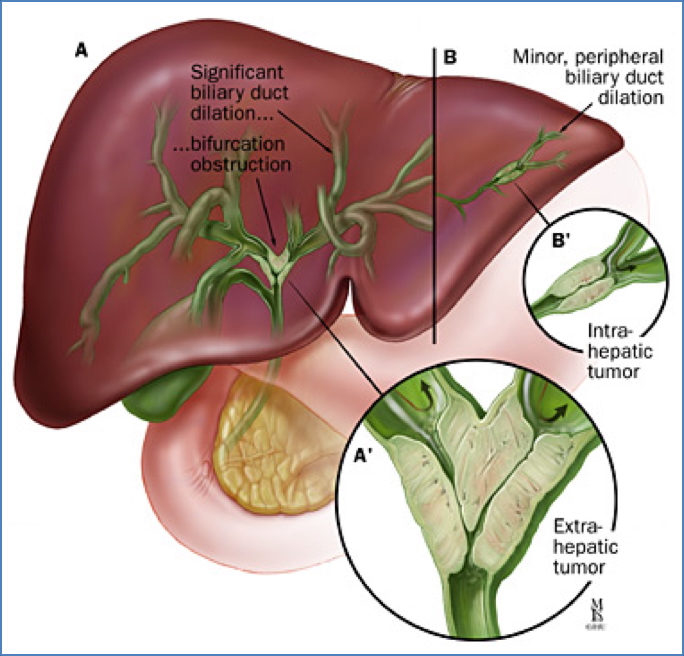
- Tumour can occur anywhere along the biliary tree → obstruction, cholestasis, and hepatic dysfunction.
Clinical Features
- Symptoms:
- Fever and chills
- Anorexia and weight loss
- Post-hepatic obstructive jaundice:
- Dark urine
- Pale stools
- Signs:
- Icterus
- Pruritus due to bile salt accumulation
Investigations
- Liver function tests:
- ↑ ALP, ↑ GGT (cholestatic pattern)
- ↑ Conjugated bilirubin
- Mild ↑ ALT/AST
- Imaging:
- CT abdomen/pelvis → diagnosis and staging
- May use MRCP for anatomical clarification
Management
- Surgical resection if extrahepatic and resectable
- Liver transplant in select cases with unresectable disease
- Palliative care in advanced cases
Complications
- Progressive biliary obstruction
- Secondary biliary cirrhosis
- Hepatic failure
- Metastasis to liver, lungs, lymph nodes
Differential Diagnosis
- Gallstones with biliary obstruction
- Pancreatic head carcinoma
- Hepatocellular carcinoma
- Primary sclerosing cholangitis
Prognosis
- Poor, especially in unresectable disease
- ~30% 5-year survival rate with surgery
Gallbladder Carcinoma
Definition
- Malignant epithelial tumour arising from the gallbladder mucosa.
Aetiology
- Major risk factor:
- Chronic cholelithiasis (gallstones)
- Associated with long-standing inflammation and gallbladder wall irritation.
Morphology / Pathophysiology
- Histology: Adenocarcinoma
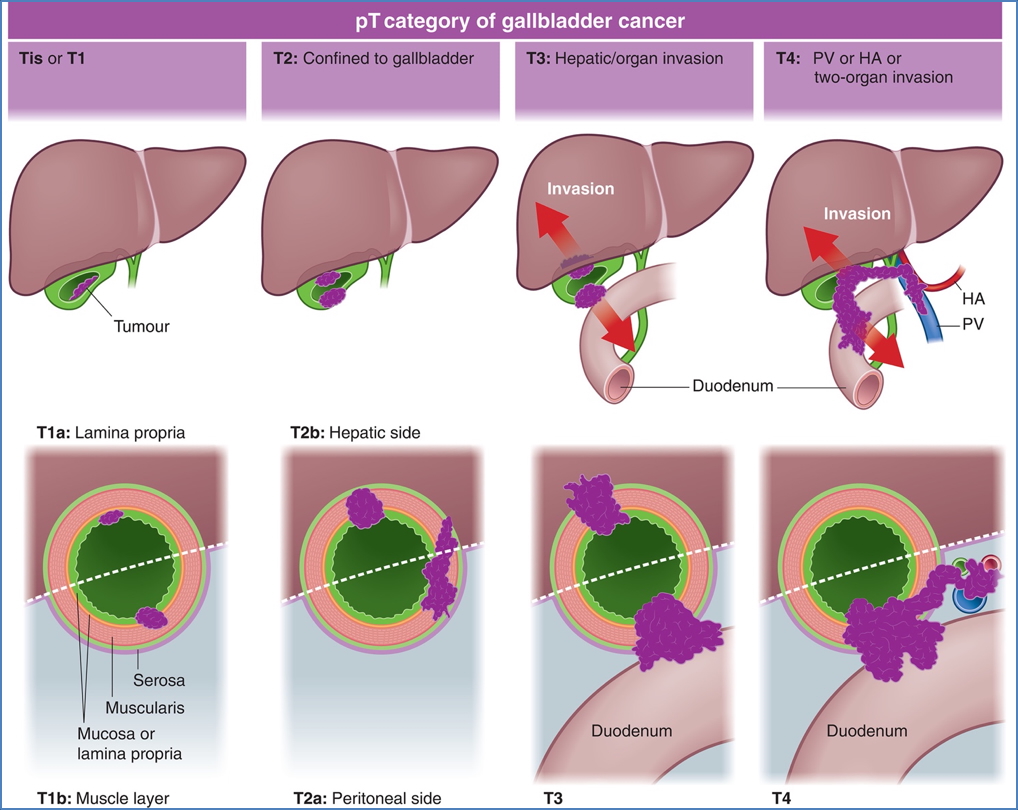
- Often invades liver and adjacent structures before symptoms arise
Clinical Features
- Demographics:
- More common in females
- Symptoms:
- Vague abdominal or RUQ pain
- Anorexia
- Unintentional weight loss
- Late-stage: jaundice or palpable mass
Investigations
- LFTs:
- ↑ ALP/GGT (suggests biliary involvement)
- Imaging:
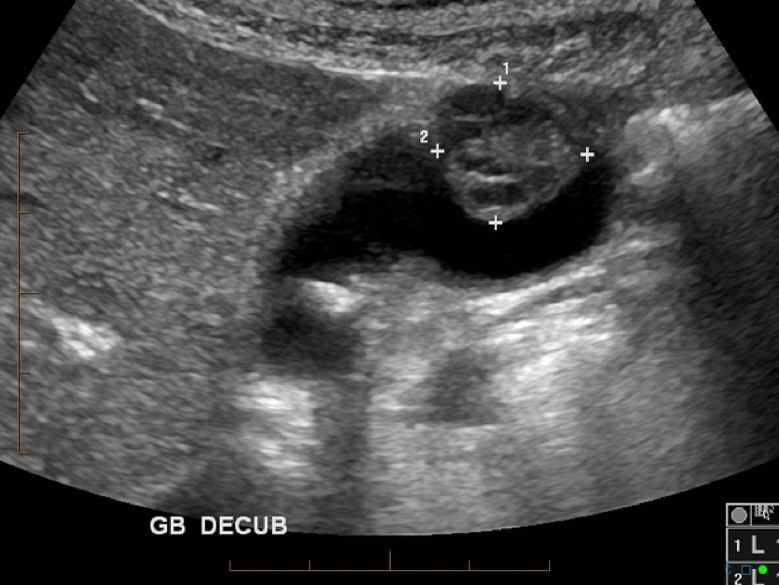
- CT scan → for diagnosis, staging, and resectability
- Incidental finding on cholecystectomy pathology not uncommon
2. https://radiopaedia.org/cases/gallbladder-carcinoma-10?lang=us
Management
- Surgical resection if < Stage 3 and confined
- Palliative chemotherapy if metastatic
- Supportive care as needed
Complications
- Liver invasion
- Biliary obstruction
- Metastases (especially liver, peritoneum)
Differential Diagnosis
- Chronic cholecystitis
- Gallbladder polyps
- Cholangiocarcinoma
Prognosis
- Typically poor due to late presentation
- Early-stage resection offers best outcome
Summary – Biliary Cancers
Biliary cancers encompass both cholangiocarcinoma and gallbladder carcinoma, each with distinct but overlapping features. Cholangiocarcinoma arises in the bile ducts and is commonly linked to primary sclerosing cholangitis and parasitic infections, whereas gallbladder carcinoma is strongly associated with chronic gallstones. Both malignancies present late, often with constitutional symptoms and signs of biliary obstruction. Surgical resection remains the main curative option when detected early, but overall prognosis is poor. For a broader context, see our Gastrointestinal Overview page.